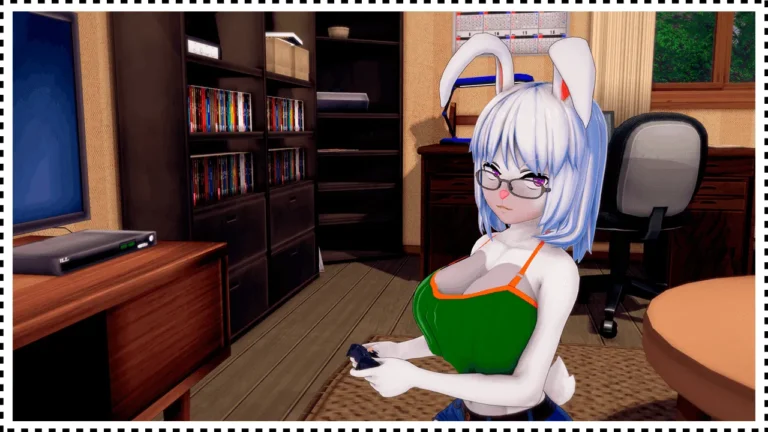
Love at First Tail
Play Love at First Tail
Love at First Tail Screenshots
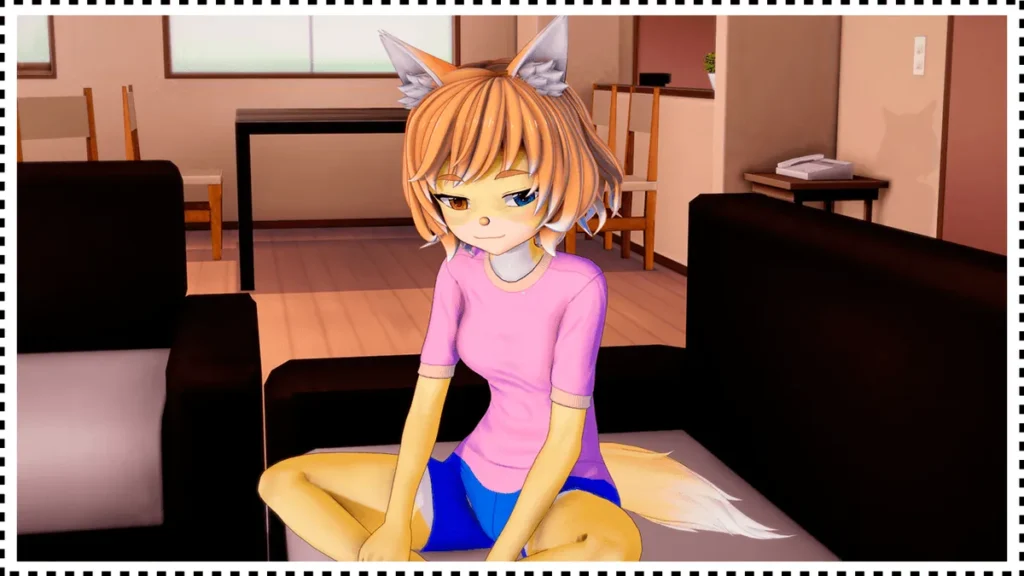
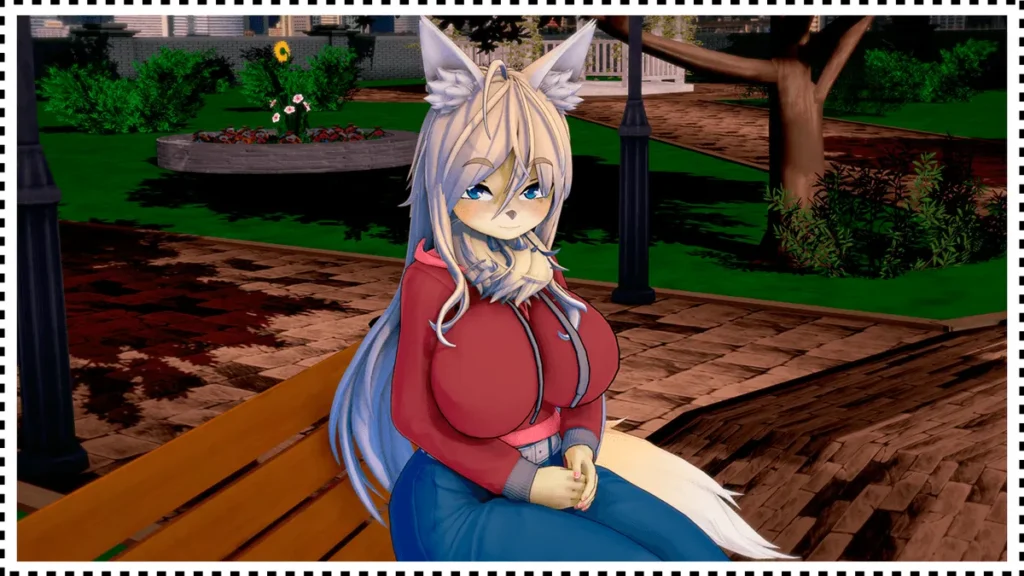
Love at First Tail review
Exploring storytelling, character development, and gameplay in this acclaimed indie title
Love at First Tail stands out as a narrative-driven visual novel that transcends typical genre expectations. This indie title, developed by MrDracosaurus, has garnered attention for its thoughtful storytelling, well-developed characters, and emotional depth. Rather than relying solely on surface-level appeal, the game weaves together themes of friendship, community, and personal growth. Players return to their hometown after years away, reconnecting with old friends and navigating complex relationships. The experience balances intimate character moments with meaningful choices that shape the narrative’s direction. Whether you’re interested in visual novels, character-driven stories, or indie game development, understanding what makes this title resonate with players reveals important insights about modern interactive storytelling.
Story, Characters, and Narrative Design
Remember that feeling when you finish a story and it just… sits with you? 🤔 You’re not just thinking about what happened, but how it made you feel, and maybe even see things a little differently. That’s the unique magic of a truly great visual novel narrative, and it’s exactly the experience Love at First Tail delivers. This isn’t a whirlwind romance; it’s a carefully brewed cup of tea for the soul, a story about coming home in every sense of the word.
Forget any preconceptions you might have about the genre. While the charming, anthropomorphic characters might draw you in, the Love at First Tail story quickly reveals itself to be a profound exploration of friendship, old wounds, and the quiet courage of everyday healing. It’s a masterclass in indie game storytelling, proving that the most powerful connections are often built not on grand gestures, but on shared vulnerabilities and consistent, caring presence.
What Makes the Narrative Stand Out?
So, what sets this choice-based visual novel apart in a sea of narratives? It starts with a brilliant, deceptive simplicity. You play as someone returning to their hometown after many years away, a premise that instantly grounds the Love at First Tail story in universal feelings of nostalgia, change, and slight awkwardness. The genius lies in how this familiar setup is used. Your return isn’t about reclaiming glory or solving a town mystery; it’s about re-weaving yourself into the fabric of a community. The narrative focus is squarely on rebuilding bonds, mending what was broken by time and distance.
This creates a “slow-burn” pacing that is the game’s greatest strength. The writing confidently takes its time, allowing conversations to breathe and relationships to develop organically. Scenes are less about advancing a plot and more about capturing a moment—a shared laugh over coffee, a quiet walk, an offered shoulder to lean on. This deliberate pace makes every emotional breakthrough feel earned and authentic. It’s a narrative built on the foundation of “show, don’t tell,” trusting the player to understand the weight of a glance or the significance of a remembered detail.
The writing quality itself is exceptional, far exceeding what many might expect. It’s nuanced, emotionally intelligent, and handles its heavier themes with remarkable grace and respect. This isn’t just noted by critics; it’s what players themselves celebrate.
“I went in expecting a cute romance and came out emotionally rebuilt. The writing treats its characters and their struggles with such honesty and care—it’s in a completely different league.”
This focus on emotional truth over sensationalism is what defines the best emotional narrative games. Love at First Tail understands that drama doesn’t need to be loud to be impactful. The most tense moments can be a character struggling to voice a painful memory, and the most triumphant can be them simply allowing someone else to stay in the room while they cry. This maturity in its visual novel narrative is what makes it stand out so vividly.
Character Development and Relationship Dynamics
If the narrative is the heart of Love at First Tail, then its characters are the soul. The Love at First Tail characters are not archetypes or checkboxes on a romance route; they are deeply constructed individuals, each carrying their own history, hopes, and hidden pains. The game’s approach to character development visual novel fans dream of is rooted in empathy and patient observation.
Your role as the protagonist is less that of a “hero” and more of a catalyst and a witness. You’re coming back into these lives at a pivotal time. Through your choices—what to say, when to listen, what kindness to offer—you gently influence the paths they take. The choice-based visual novel mechanics are seamlessly woven into these interactions. A decision to check in on someone after a hard day, or to share a memory from the past, doesn’t unlock a new CG; it subtly shifts the level of trust and intimacy in that relationship. It makes the journey feel uniquely yours.
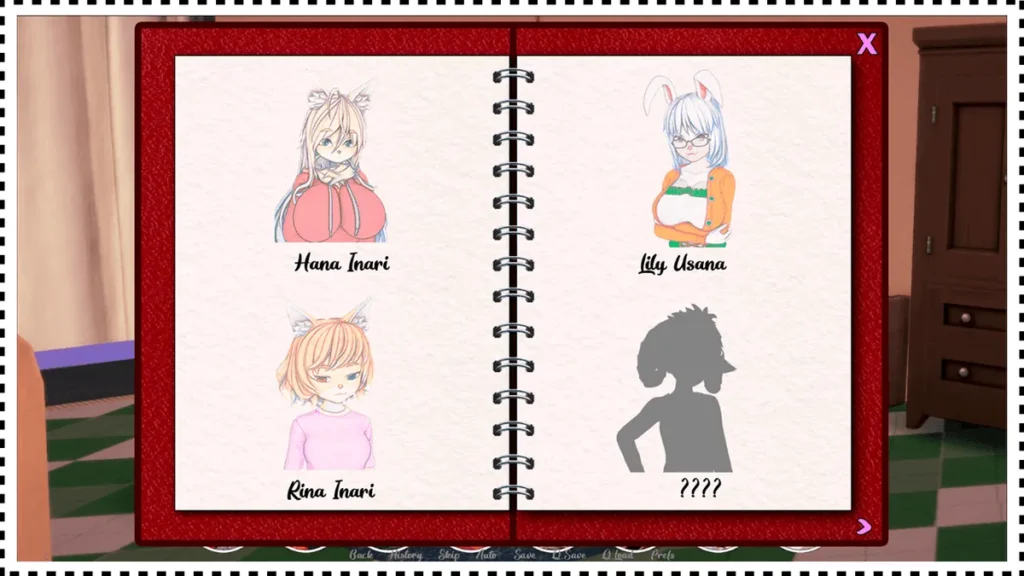
To understand the scope of this character-driven world, let’s look at the central figures you’ll connect with:
| Character | Background & Role | Key Themes Explored | In the Protagonist’s Journey |
|---|---|---|---|
| Hana 🦊 | A childhood friend working at the local clinic. Struggling with the weight of past domestic abuse and its lingering trauma. | Trauma recovery, self-worth, learning to accept support, the fear of vulnerability. | Acts as a central mirror for themes of healing. Reconnecting with her challenges the player to be consistent, patient, and gentle—a reflection of healthy support. |
| Kai 🐺 | An old friend, now the dependable town handyman. Carries a quiet sense of responsibility and unspoken regrets. | Quiet masculinity, loyalty, dealing with past mistakes, protecting community. | Represents the unchanging core of “home.” His route often focuses on re-establishing trust and understanding the depth of platonic, lifelong bonds. |
| Maya 🐱 | The vibrant and ambitious café owner, trying to inject new life into the town. | Hope vs. disillusionment, entrepreneurial spirit, the struggle to honor the past while building a future. | Embodies the changing face of “home.” Her story explores whether you can truly go back, and what it means to build something new together. |
| Jin 🐇 | A more reserved, artistic soul who observes the town from its edges. | Isolation vs. connection, creative expression as coping, social anxiety. | Challenges the player to reach out proactively. His path is about drawing someone out of their shell and valuing quiet companionship. |
✨ This ensemble allows the game to explore character development from multiple angles. Hana’s journey, in particular, is a standout. Her struggle isn’t used as cheap drama; it’s portrayed with a heartbreaking authenticity. You see its effects in her hesitancy, her moments of self-doubt, and her difficulty believing she deserves kindness. Helping isn’t about “fixing” her, but about providing a safe, stable presence—a powerful lesson in any relationship.
Themes of Trauma, Growth, and Connection
Beneath its cozy art and comforting soundtrack, Love at First Tail engages with themes that carry real weight. This is where its status as a premier emotional narrative game is cemented. It doesn’t shy away from depicting the aftermath of domestic abuse, the grip of anxiety, or the deep-seated fear of being a burden to others. Yet, its ultimate message is one of profound hope and resilience. 🌱
The game brilliantly frames trauma recovery not as a linear path to being “cured,” but as an ongoing process of management and healing. Scenes might involve a character grappling with a trigger, practicing a coping mechanism, or finally voicing a painful truth they’ve held inside for years. This realistic portrayal adds immense depth to the Love at First Tail story, making the characters’ triumphs—no matter how small—feel monumental.
- Growth Through Community: A central thesis of the game is that we heal in connection, not in isolation. The protagonist’s return acts as a stabilizing force, but the healing is mutual. As you help your old friends, you too are confronting your own reasons for leaving and what “home” means to you now. This indie game storytelling technique creates a beautiful loop of support.
- The Power of Everyday Choices: The choice-based visual novel system directly reinforces these themes. Do you push for answers when someone clams up, or do you give them space and simply say you’re there when they’re ready? These micro-decisions model healthy interaction and show that support is often found in consistency, not grand rescues.
- Ludonarrative Harmony: This is a fancy term for how the gameplay (ludo) supports the story (narrative). In Love at First Tail, they are in perfect sync. The mechanics of choosing dialogue, deciding who to spend time with, and slowly unlocking deeper trust levels are the embodiment of building a supportive relationship. You aren’t just told the protagonist is being patient; you, the player, are performing that patience through your actions. This makes the emotional payoff deeply personal and impactful.
Ultimately, the Love at First Tail story is a celebration of quiet strength. It argues that connection is the antidote to pain, and that showing up for someone, day after day, is a revolutionary act of love. It proves that a visual novel narrative can be a vessel for genuine human insight, offering a experience that resonates long after the final choice is made. By masterfully blending its character development, thoughtful themes, and interactive choices, it doesn’t just tell you a story—it lets you live within one, and walk away feeling a little more connected yourself. 💖
Love at First Tail represents a meaningful evolution in visual novel design, proving that games in this genre can deliver substantial emotional narratives alongside engaging gameplay mechanics. The title succeeds by prioritizing character authenticity, meaningful storytelling, and player agency over superficial appeal. Its exploration of trauma, healing, and human connection resonates with players seeking depth and substance in interactive entertainment. The carefully crafted choice system ensures that each playthrough feels personal, while the visual presentation enhances rather than distracts from the narrative core. For anyone interested in understanding how modern indie developers are pushing the boundaries of interactive storytelling, or for players seeking a game that values emotional intelligence and character development, this title offers a compelling experience. The game demonstrates that visual novels can achieve critical acclaim and player appreciation by respecting their audience’s desire for meaningful stories and authentic character relationships.