
Randel Tales
Play Randel Tales
Randel Tales Screenshots

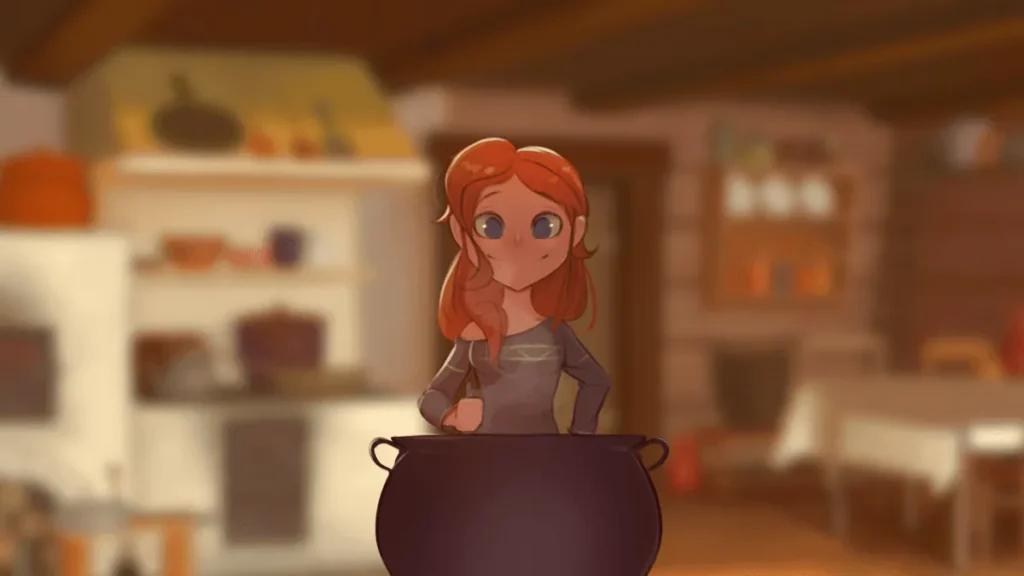

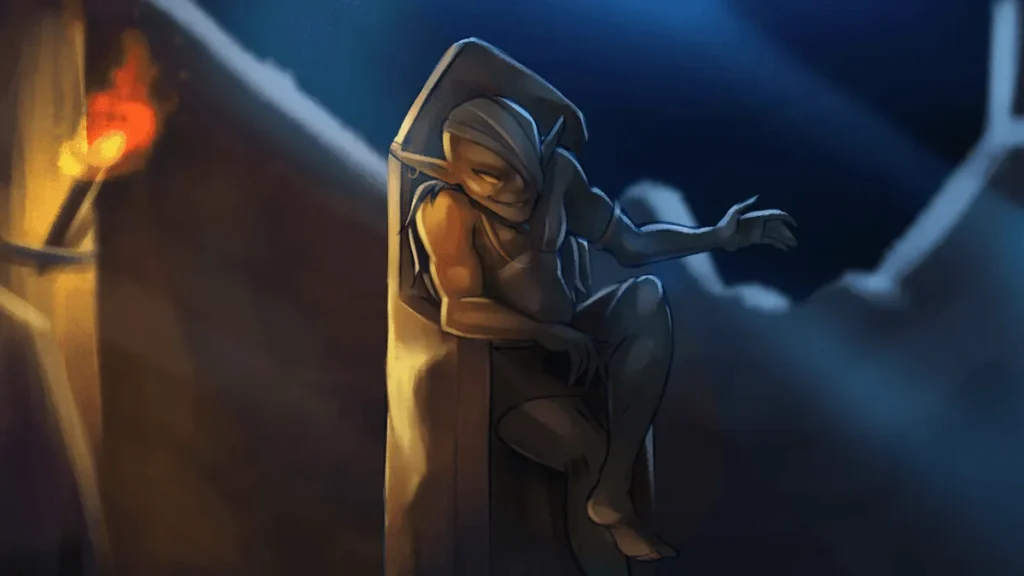





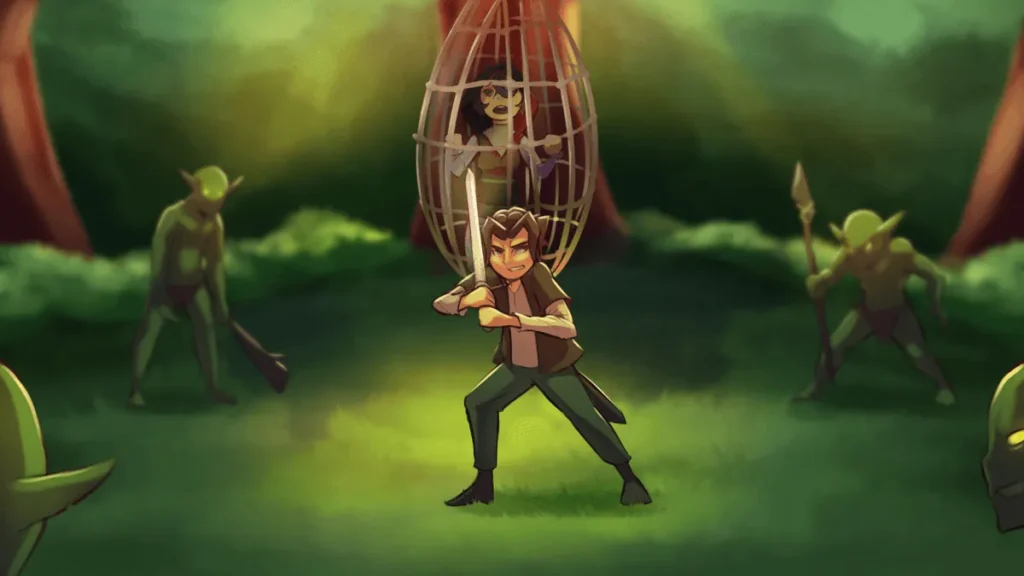

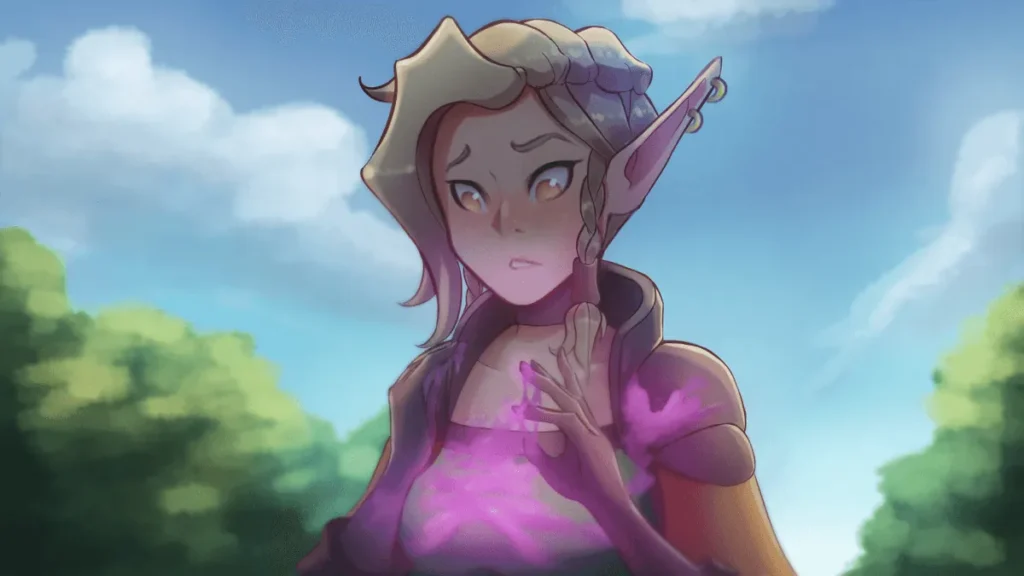




Randel Tales review
Exploring gameplay mechanics, narrative choices, and what makes this indie title stand out
Randel Tales has carved out a unique space in the indie gaming community as an adult visual novel that balances engaging storytelling with meaningful gameplay mechanics. This title follows a young adventurer navigating a world filled with character-driven narratives and consequential choices that shape the overall experience. Beyond its adult-oriented content, the game features a stats system, skill checks, and branching storylines that have earned praise from players who appreciate depth alongside entertainment value. Whether you’re curious about the mechanics, character interactions, or what sets this game apart from similar titles, this guide explores the key elements that define the Randel Tales experience.
Understanding Randel Tales Gameplay and Core Mechanics
Ever booted up a game, full of excitement, only to be utterly baffled by its core systems? 😅 I have. My first few hours with Randel Tales were exactly like that. I was promised a rich, choice-driven adventure, but I felt like I was fumbling in the dark, making stats choices I didn’t understand and wondering if my narrative decisions even mattered. Sound familiar?
Luckily, I stuck with it. And once the penny dropped, I realized Randel Tales has one of the most intriguing and hands-on sets of gameplay mechanics in the indie visual novel scene. It’s not just about clicking through dialogue; it’s about actively building a character, surviving academic pressures, and navigating relationships where every word can change your path. This deep dive is here to save you the confusion I experienced and show you exactly how this game’s brilliant, if occasionally opaque, systems work. Let’s pull back the curtain.
How the Stats System Works in Randel Tales
At its heart, Randel Tales is a game about growth and specialization. Unlike many visual novels where stats are passive or automatically assigned, here you are firmly in the driver’s seat. The stats system visual novel fans will encounter is a deliberate, point-based economy that directly shapes your capabilities and story options.
You earn points by engaging with the world—attending classes, exploring the town, and practicing skills. These points are then manually allocated across a set of core skills like Magic, Hunting, Crafting, and more. It sounds simple, right? Here’s where the game’s unique, and initially frustrating, twist comes in. 🎯
When you try an activity for the first time, the game generously rewards you with a point. You think, “Wow, this is easy! I’ll master everything!” This is a classic case of misleading feedback. That first point is a participation trophy. Subsequent attempts at the same activity yield points far less frequently, forcing you to make tough, strategic decisions about who your character will become. Do you want to be a powerful mage, a skilled hunter, or a clever crafter? You can’t be a master of all, and the game doesn’t handhold you through this realization.
This is the core of the Randel Tales progression system. Your investment dictates your identity. Pour points into Magic, and you’ll unlock new spells and dialogue options about arcane theory. Focus on Hunting, and you’ll become more capable in the forest, spotting tracks and handling a bow. The game remembers your choices and tailors the world accordingly, making your journey feel personal.
However, player feedback has rightly pointed out that this system can lack clear communication. A simple notification or progress bar indicating the diminishing returns on repeated actions would go a long way in setting proper expectations. It’s a rare stumble in an otherwise engaging system that rewards focused role-playing.
Pro Tip: Don’t spread your points thin trying to be good at everything on your first playthrough. Pick one or two core skills that fit your desired character fantasy and commit to them for a truly rewarding experience.
To help you avoid the early-game confusion I faced, here’s a step-by-step guide for new players:
- Experiment Freely at the Very Start: Use the first few in-game days to try every available activity once. Collect those “first-time” points to get a small baseline in multiple skills.
- Define Your Character Archetype: After experimenting, decide. Are you the Scholarly Mage, the Rugged Hunter, or the Artisan Crafter? Look at the skill descriptions and choose your path.
- Commit and Specialize: Once you’ve chosen, focus 70-80% of your earned points into your primary and secondary skills. Check the academy schedule and plan your week around activities that boost your chosen stats.
- Don’t Neglect Social Stats: While specializing, remember to occasionally invest in skills like Conversation or Empathy. They are crucial for passing key skill checks adventure game moments in dialogues with friends like Hazel or Robbie.
- Embrace a Second Playthrough: The design encourages replayability. Once you understand the system, a second run focusing on a completely different skill set will unveil whole new story branches and scenes.
Character Interactions and Branching Narrative Paths
If the stats system is the skeleton of your character, then the character relationship system and its branching narrative choices are the heart and soul. This is where Randel Tales truly shines, creating a web of connections that feel alive and responsive.
Every major interaction with characters like the fiery Hazel, the loyal Robbie, or the enigmatic Dave is a potential fork in the road. The game doesn’t just track a simple “like/dislike” meter. Instead, it logs specific visual novel decision consequences in a hidden ledger. Did you stand up for Hazel when she was arguing with a teacher? The game remembers. Did you share a secret with Robbie or dismiss his concerns? That’s locked in too.
These remembered choices determine which scenes unlock later, how characters greet you in the halls, and even the tone of entire conversations. A seemingly small choice in Chapter 2 might open up a unique, heartfelt scene with Dave in Chapter 5, or alternatively, lock you out of it entirely. This creates an incredible sense of ownership over the narrative. Your story in Randel Tales is literally built from your decisions.
The pacing is deliberate. The game starts slowly, allowing you to settle into academy life and form initial bonds. But as the story escalates and external threats loom, the weight of those early choices comes crashing down. A relationship you nurtured becomes a vital source of support, while a bridge you burned might leave you facing a challenge alone.
To illustrate how deep these branches go, let’s look at how different approaches to key characters can change your experience:
| Character | Player Choice Path | Unlocked Scene / Consequence | Relationship Outcome |
|---|---|---|---|
| Hazel | Consistently support her independent, rebellious streak. | Invitation to a secret late-night exploration of the forbidden east wing library. | Develop a bond based on mutual trust and shared defiance; she becomes a confident ally. |
| Hazel | Urge caution and try to get her to follow academy rules. | A tense scene where she confronts you, accusing you of being like everyone else. | Relationship becomes strained and formal; she keeps you at a distance for key events. |
| Robbie | Encourage him to face his fears and be more assertive. | He steps in to help you during a practical exam, using a skill you taught him. | Friendship deepens into a strong, brotherly bond; he gains self-confidence. |
| Robbie | Pity him or solve problems for him without teaching. | He fails a crucial task later, blaming himself, and becomes dependent on your guidance. | He remains a nervous follower, and you miss scenes of his personal growth. | Dave | Show genuine curiosity about his mysterious research and past. | He shares fragments of a lost journal, revealing hidden lore about the town’s history. | Earns his cautious trust, unlocking cryptic hints and aid during major plot crises. |
| Dave | Be dismissive or mock his reclusive nature. | He becomes a background figure, refusing to engage. You must find crucial information the hard way. | He remains a closed book, potentially making a late-game challenge much more difficult. |
Skill Checks and Memory-Based Academy Tests
Beyond dialogue choices, Randel Tales integrates a classic adventure game challenge: the skill check. These are moments where your allocated stats are put to the test. Want to decipher an old magical rune? You’ll need a sufficient Magic skill. Trying to track a creature through the dense woods? That’s a Hunting check. These skill checks adventure game mechanics are beautifully woven into the narrative, making your character build feel relevant and powerful.
However, there’s a fascinating curve to their use. Early on, these checks are more frequent, acting as tutorials and gateways to extra lore or minor rewards. As the story progresses and your character becomes more defined, the overt checks become rarer. The game begins to assume your competencies, weaving them directly into the narrative fabric instead of pausing to roll virtual dice. Your high Magic skill might mean a character simply comes to you for arcane help, creating a new scene organically.
Then there’s the academy’s most distinctive—and underutilized—mechanic: the memory-based tests. 📚✏️
Throughout the game, you can access a “Monster Book” or academic notes filled with lore about the world’s creatures, history, and magic. This isn’t just flavor text. Periodically, you’ll sit for an academy exam. These tests do not highlight the answers. They present multiple-choice questions that can only be answered correctly if you’ve actively read and remembered the information from your book.
It’s a bold design choice that genuinely rewards engagement with the world-building. I remember sweating over a question about a Gravelback’s weak spot, frantically trying to recall a paragraph I’d skimmed two play sessions ago. When I got it right, the satisfaction was immense! It made my character’s academic success feel truly earned.
Yet, this mechanic feels like a hidden gem. It’s used only a handful of times, and its impact on the broader story is minimal beyond grade acknowledgments. It’s a brilliant idea that could have been a more central pillar, perhaps unlocking special research opportunities or impressing certain teachers for unique benefits. Even in its limited form, it sets Randel Tales apart, demanding a level of player attention and memory that is rare and refreshing.
In the end, the Randel Tales gameplay mechanics form a cohesive, if sometimes challenging, whole. The hands-on stats system visual novel approach forces meaningful specialization. The intricate character relationship system and profound branching narrative choices ensure that your visual novel decision consequences are felt deeply, shaping a story that is uniquely yours. And the blend of traditional skill checks with inventive memory tests adds layers of engagement beyond passive reading.
It’s a game that asks for your investment—not just of time, but of thought and strategy. It starts slow, trusting you to piece together its systems and relationships, before delivering a payoff that is intensely personal. For players willing to look past some initial opacity, Randel Tales offers a remarkably rich and replayable journey where every point spent and every word chosen truly matters.
Randel Tales represents a compelling example of how adult-oriented indie games can deliver genuine depth through thoughtful game design and character-driven storytelling. The game’s stats system, branching narrative paths, and skill-based mechanics create meaningful player agency, while its character relationships and emotional beats resonate with players who appreciate substance alongside entertainment. Despite technical imperfections and visual inconsistencies that reflect its extended development, the game has earned respect from the community for its commitment to consequence-driven choices and character development. Players consistently highlight the surprising emotional investment they develop with characters and their appreciation for a title that respects their intelligence through complex decision-making systems. Whether you’re drawn to the narrative elements, the gameplay mechanics, or the character interactions, Randel Tales offers a unique experience that transcends typical genre expectations. For those seeking an indie visual novel that balances mature content with genuine storytelling and meaningful gameplay, Randel Tales delivers an experience that justifies its growing reputation within the gaming community.