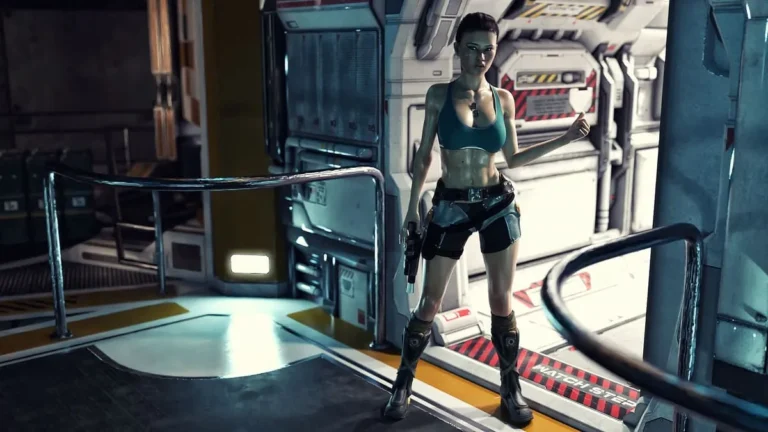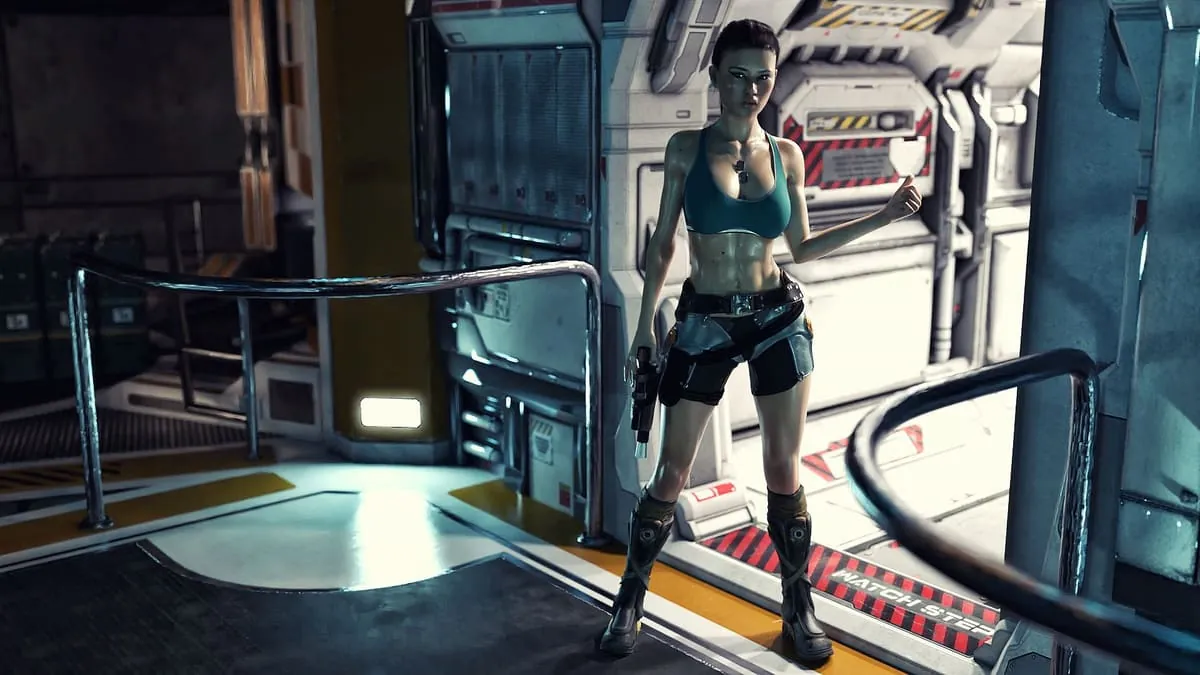
SWe1: The Warrior’s Heart
Play SWe1: The Warrior’s Heart
SWe1: The Warrior’s Heart Screenshots






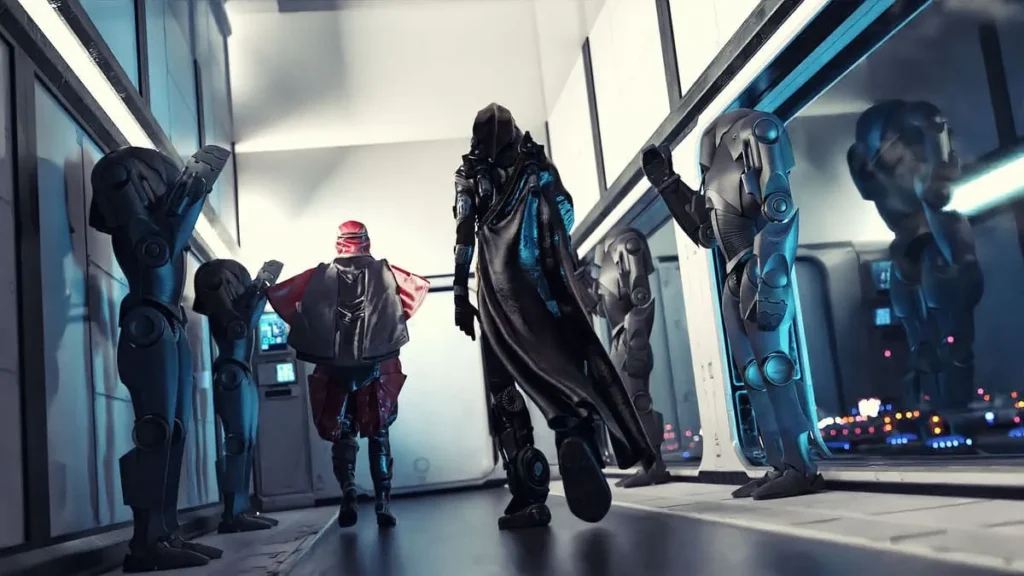
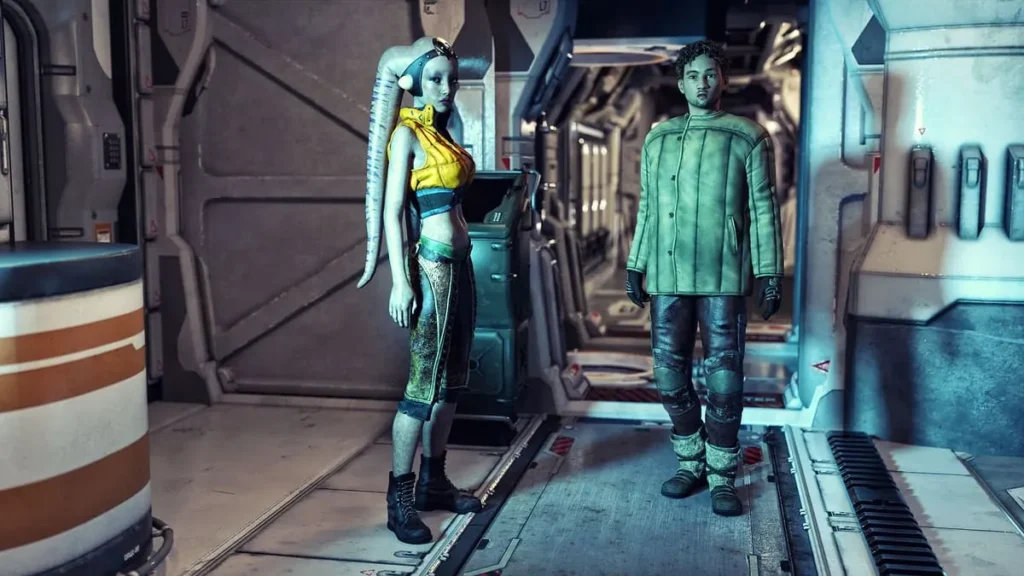


SWe1: The Warrior’s Heart review
Explore the immersive sci-fi adventure with branching narratives and interactive gameplay
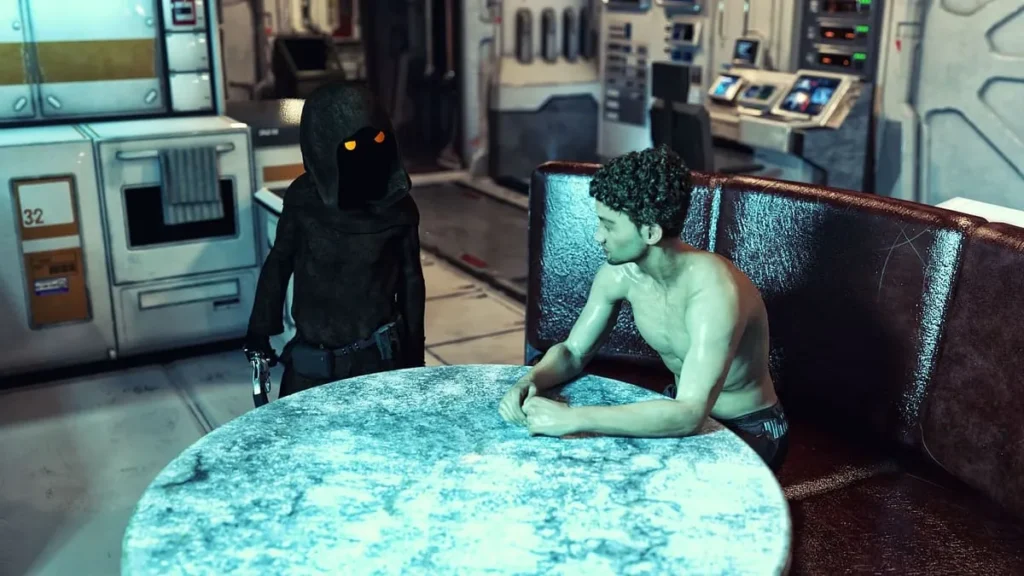
SWe1: The Warrior’s Heart stands out as an engaging visual novel experience set in a Star Wars-inspired universe. This interactive adventure follows Kaylan, a young protagonist whose journey unfolds through your choices and decisions. The game masterfully blends action-packed sequences, dramatic storytelling, and relationship-building mechanics that keep players invested for hours. Whether you’re drawn to the sci-fi setting, the branching narrative paths, or the character-driven experience, this guide explores everything you need to know about maximizing your gameplay and understanding the depth of this immersive adventure.
Understanding the Core Gameplay Experience
Ever felt like you’re just along for the ride in a story? You click, you read, but the tale chugs along its predetermined track no matter what you do. 🚂 That was my exact feeling with so many games—until I booted up SWe1: The Warrior’s Heart. Right from the start, it was different. This isn’t a book you watch; it’s a universe you shape. The heart of this experience lies in its revolutionary fusion of deep SWe1 interactive gameplay mechanics, where every conversation is a puzzle and every ally is a key to a new path.
At its core, The Warrior’s Heart is built on a simple, powerful promise: your voice matters. Your story progression decisions don’t just change a line of dialogue; they reroute entire plotlines, alter political landscapes, and determine who stands with you in the final hour. It’s an exhilarating, and sometimes terrifying, amount of control. Let’s dive into the systems that make this possible and how you can master them.
What Makes the Interactive Narrative System Work
Forget what you know about traditional visual novels. While they often present a linear path with occasional detours, SWe1: The Warrior’s Heart operates on a dynamic, living story engine. Think of it less as a “choose your own adventure” book and more as a complex ecosystem. Every character, faction, and location has a hidden state of awareness, opinion, and loyalty that is constantly updated by your actions.
The magic is in the game’s choice consequence gameplay. The system doesn’t just track big, obvious decisions like “Side with Faction A or B?” It’s silently logging everything: a compassionate word to a scared civilian, a ruthless efficiency in completing a job, or even which crew member you choose to have a drink with after a mission. These data points accumulate, creating a unique narrative profile for your playthrough.
This is where the branching narrative choices truly shine. Early on, I had to deal with a smuggler in the lower decks. I could pay him off, intimidate him, or report him to the ship’s stern security chief. A simple choice, right? In a lesser game, that would be the end of it. Here, that decision echoed. Choosing intimidation made me respected (and feared) among other fringe operators, unlocking new black-market quests later. Reporting him earned me the unwavering trust of security, who then provided crucial backup in a mission I wouldn’t have accessed otherwise. The branching narrative choices aren’t signposted; they grow organically from the seeds you plant.
The game’s relationship system visual novel elements are the glue that holds this all together. It’s not just about romance or friendship meters. It’s a dual-axis system tracking both Trust and Distrust independently. You can have a crewmate who deeply trusts your combat judgment (high Trust) but profoundly distrusts your moral compass (high Distrust) because of your ruthless tactics. This creates incredibly nuanced characters and conflicts that feel real.
| Choice Type | Primary Impact | Example Outcome & Story Branch |
|---|---|---|
| Dialogue & Moral | Alters character relationships, unlocks personal quests, changes NPC faction alignment. | Spare a defeated rival → They may return as an ally or informant in a later crisis, offering a peaceful resolution branch. |
| Tactical & Mission | Determines mission success/failure state, resource gains/losses, crew survival. | Choose a stealth approach over assault → Avoid triggering a city-wide riot later, keeping a district stable for future missions. |
| Relationship & Bonding | Unlocks unique character abilities, reveals hidden backstory, opens exclusive narrative paths. | Reach high Trust with the ship’s engineer → Gain access to prototype weapon modifications and a mission to salvage their family’s lost ship. |
How Your Choices Shape the Story Progression
So, how do all these ticking clocks and sliding scales actually change your game? The story progression decisions in SWe1 work on multiple timelines: immediate, mid-game, and grand finale. The game is brilliant at delivering “oh wow” moments where a choice you made hours ago suddenly becomes vitally important.
The most direct form of choice consequence gameplay is mission availability. Certain doors simply won’t open if you haven’t made the right allies or enemies. On my first playthrough, my pragmatic, by-the-book attitude locked me out of an entire story arc involving the revolutionary underground—they saw me as a tool of the establishment. My second run, where I embraced more rebellious branching narrative choices, made me a hero to them but a wanted criminal to the fleet. The available missions, allies, and even hub areas were dramatically different.
Beyond missions, your choices directly trigger world events. That “city riot” isn’t a scripted moment everyone sees. It’s a direct result of accumulated player actions—perhaps you ignored pleas for aid in a district, or you consistently supported a corrupt official. The game’s news feeds and ambient chatter will reflect your impact, making the world feel genuinely reactive.
This also applies to character arcs. Major story revelations about your crewmates or the central mystery are gated behind your relationship with them and the moral path you’re walking. You might never learn the true identity of the mysterious benefactor in one playthrough, while in another, they reveal themselves to you alone because of a specific chain of story progression decisions you made that earned their confidence.
Pro Tip: Don’t reload immediately after a “bad” outcome! Some of the most memorable and unique story branches in SWe1: The Warrior’s Heart come from failing a check or making a choice that seems to backfire. The game is designed to keep the story compelling even when you stumble.
The dialogue minigames strategy is your primary tool for navigating these moments. These aren’t just button-mashing quick-time events. They are tactical conversations where you must manage a “Dialogue Momentum” bar while selecting responses that match either the personality of the speaker or the logical demands of the situation. Picking a heartfelt option with a cynical mercenary will drain your momentum fast, likely failing the conversation check.
Let’s look at the ‘Ash and Embers’ mission. You’re negotiating with a grief-stricken ship captain guarding a wreck. The dialogue minigames strategy here is key.
* Option A (Logical/By-the-Book): Cite salvage law and regulations. This works if your character has a history of legality (high “Authority” stat) and maintains a cold, logical momentum.
* Option B (Empathic/Personal): Speak about loss and shared experience. This requires a high “Empathy” stat and works if you’ve previously shown compassion in your branching narrative choices. Success here doesn’t just get you the wreck; it turns the captain into a lifelong contact.
* Option C (Deceptive/Exploitative): Feign offering help for their family. A risky play requiring “Subterfuge.” Succeed, and you get what you want fast. Fail, and they see through you, potentially branding you a villain in that sector and closing off future opportunities.
This single conversation, guided by your dialogue minigames strategy, can lead to three completely different resolutions for that mission and its long-term fallout.
Exploring the Relationship and Bonding Mechanics
The character bonding mechanics in SWe1 are a masterclass in dual-purpose design. A “bonding scene” is never just a cute chat. It’s a strategic opportunity with tangible rewards. When you spend time with a crew member, you’re investing in both the story and your tactical arsenal.
Each character has a unique personal skill tree that unlocks only through bonding. For instance, bonding with the cynical sniper on your crew might involve sharing stories of past battles. As trust grows, they might first teach you a “Spot Weakness” passive ability (increased critical hit chance). Reach a major trust milestone, and they could gift you a unique prototype scope schematic. This direct link between narrative character bonding mechanics and gameplay power is incredibly satisfying.
These mechanics are deeply tied to the relationship system visual novel foundation. The game presents bonding opportunities based on your current standing (Trust vs. Distrust) and your recent actions. If you just completed a mission violently, a pacifist crew member might refuse to bond, while the weapons specialist might seek you out. This makes relationships feel organic and responsive.
The scenes themselves are where character is revealed. You’ll learn about their fears, loyalties, and secrets. This information isn’t just flavor text—it’s actionable intelligence. Learning that an ambassador is terrified of AI might give you a crucial leverage point in a future negotiation. Discovering that a rival officer is secretly funding a charity could provide a way to ethically undermine them. The character bonding mechanics feed directly back into the SWe1 interactive gameplay mechanics, creating a beautiful loop.
Remember, bonding isn’t only about positivity. Sometimes, a confrontation or an argument born from high Distrust can be just as revealing and can unlock a different, more confrontational branch of that character’s story, leading to dramatic clashes or bitter redemption arcs.
To truly master SWe1: The Warrior’s Heart, you must view every interaction—every dialogue choice, every mission objective completed, every quiet moment with a companion—as a brick you are placing on the road of your own unique story. Your branching narrative choices build the direction, your story progression decisions determine the landscape, and your engagement with the relationship system visual novel and character bonding mechanics populates that world with people who feel real because you made them that way. This is the warrior’s heart: not just the strength to fight, but the wisdom to choose what you’re fighting for, and who will stand beside you when it matters most. 🚀 Your saga is waiting to be written.
SWe1: The Warrior’s Heart delivers a compelling experience that goes beyond surface-level entertainment by weaving meaningful choices throughout its narrative. The game’s strength lies in how it connects interactive gameplay with storytelling, making every decision feel consequential. From the relationship system that unlocks hidden story branches to the tactical elements that emerge from character bonding, the game rewards players who engage deeply with its world and characters. Whether you’re experiencing your first playthrough or exploring alternative story paths, understanding these core mechanics enhances your appreciation for the intricate design. Dive into this immersive adventure and discover how your unique choices create a personalized narrative that reflects your playstyle and preferences.