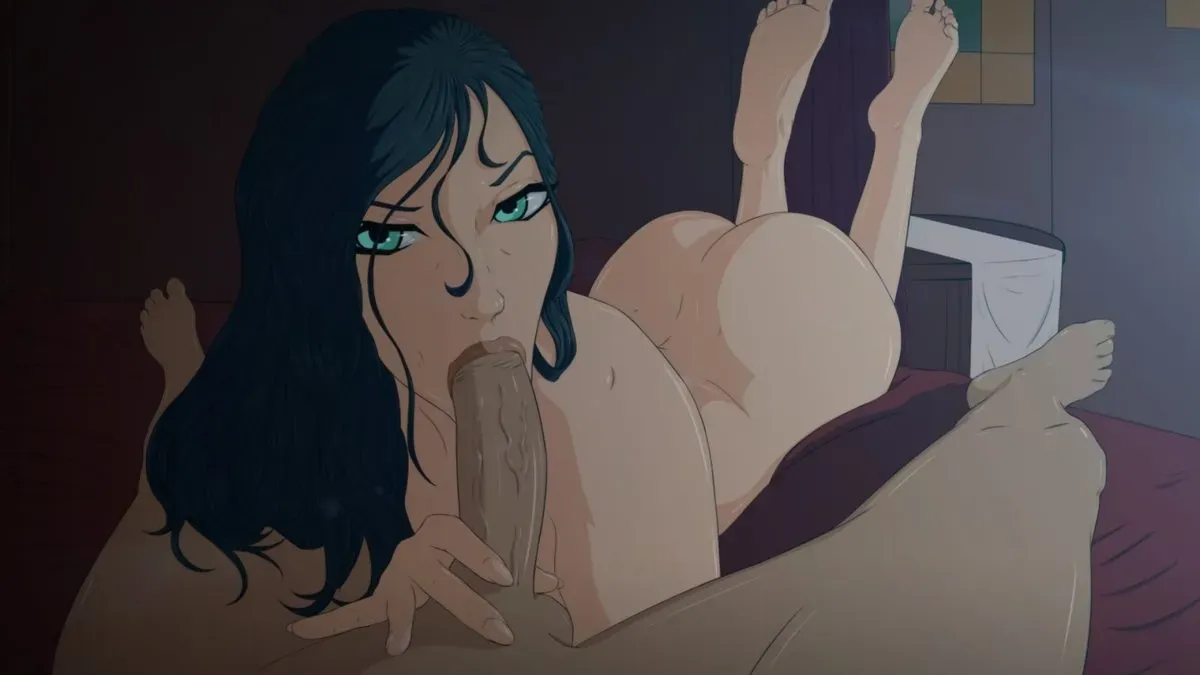
The Fate of Irnia
Play The Fate of Irnia
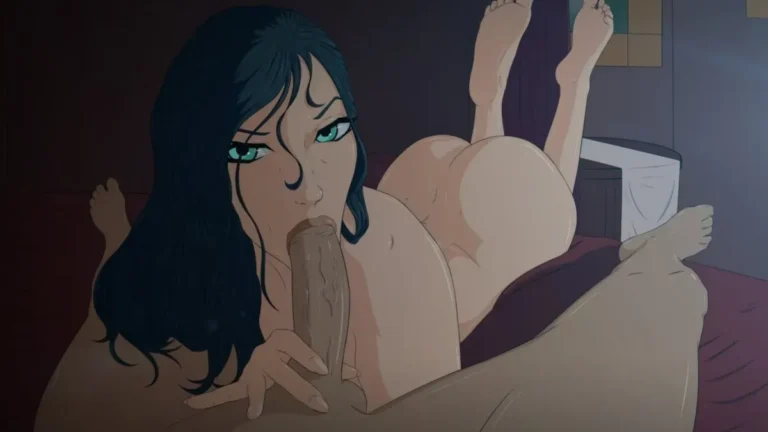
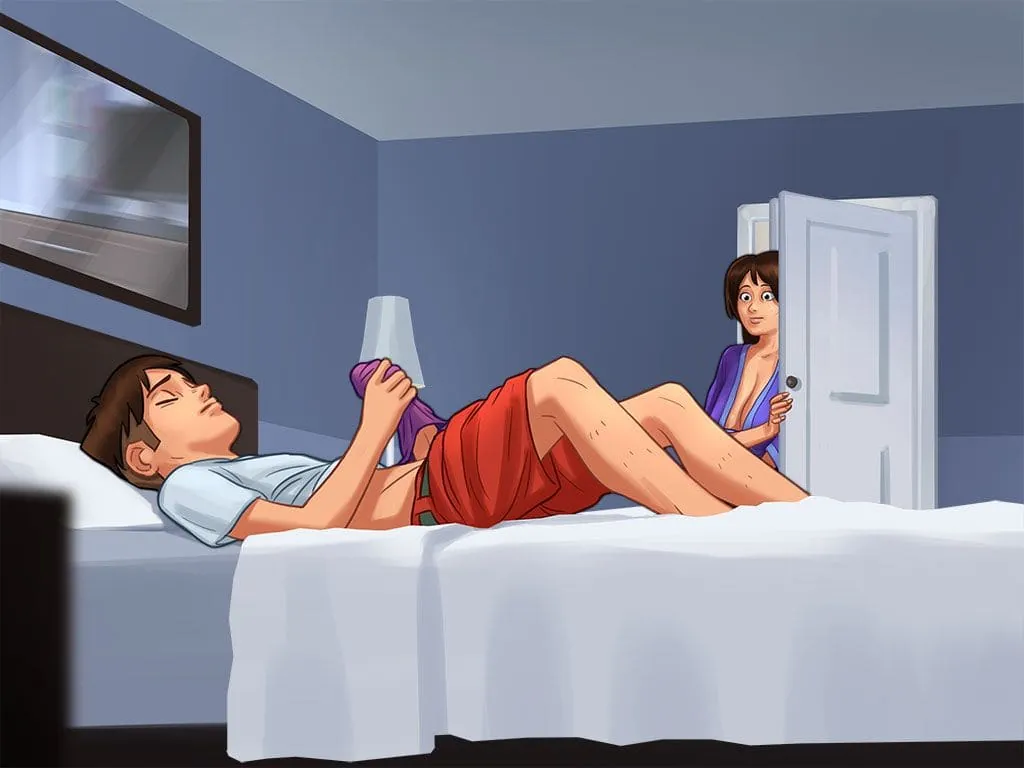
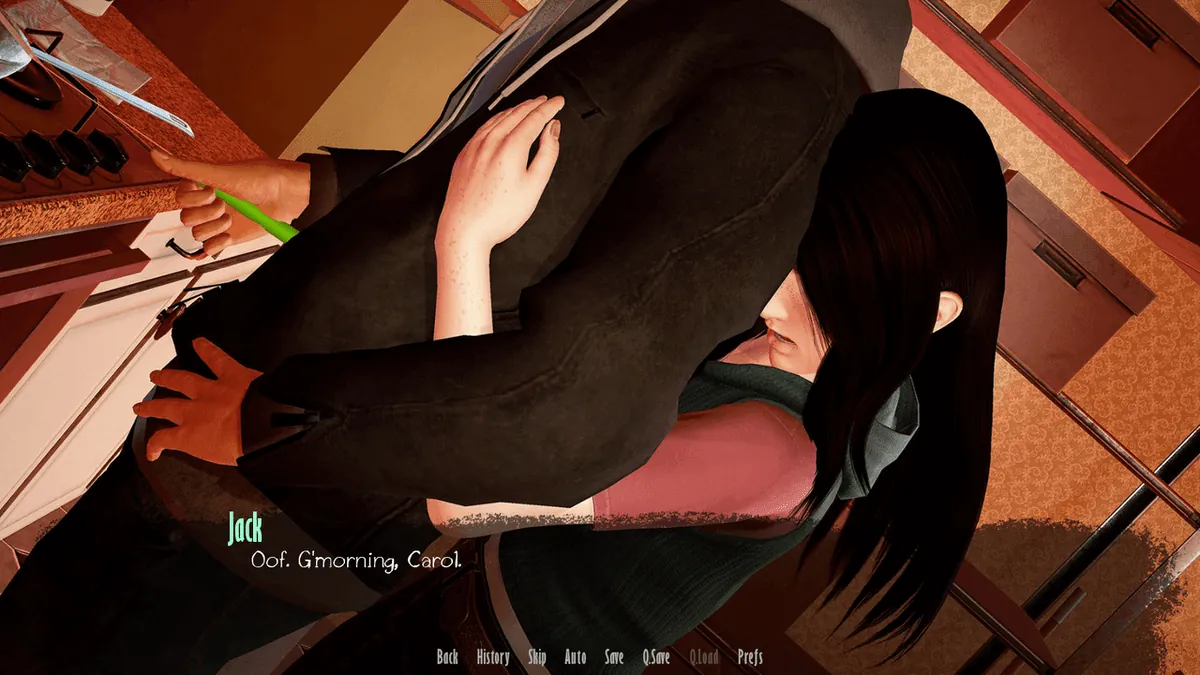
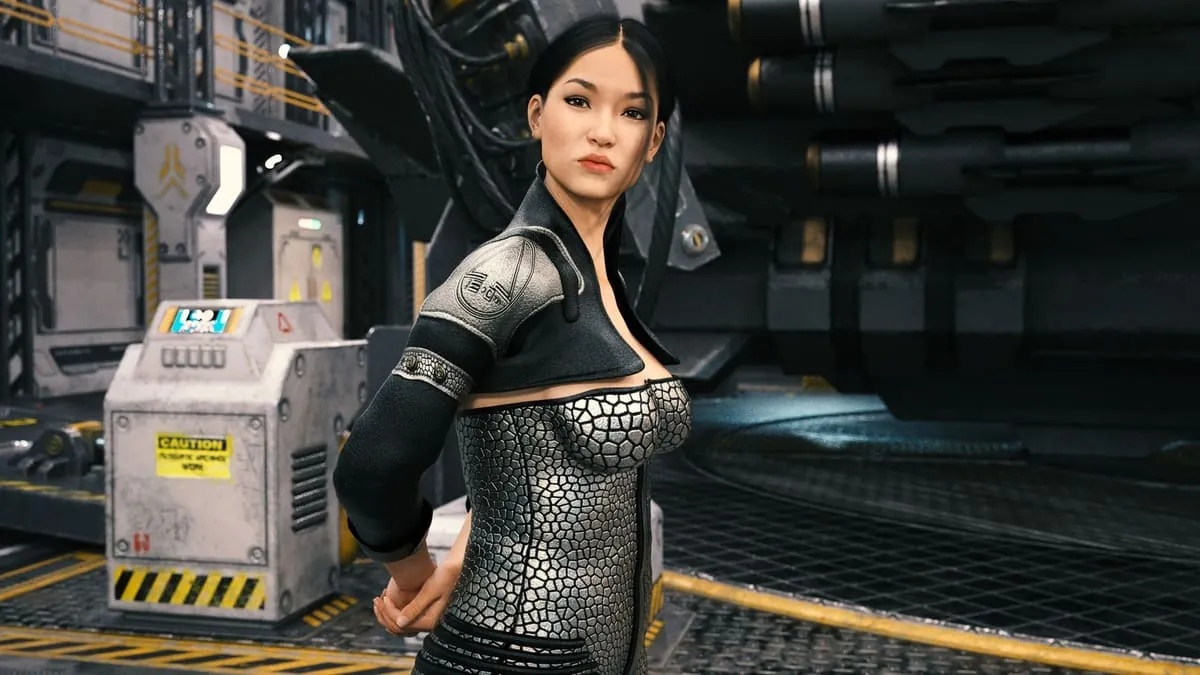
The Fate of Irnia Screenshots
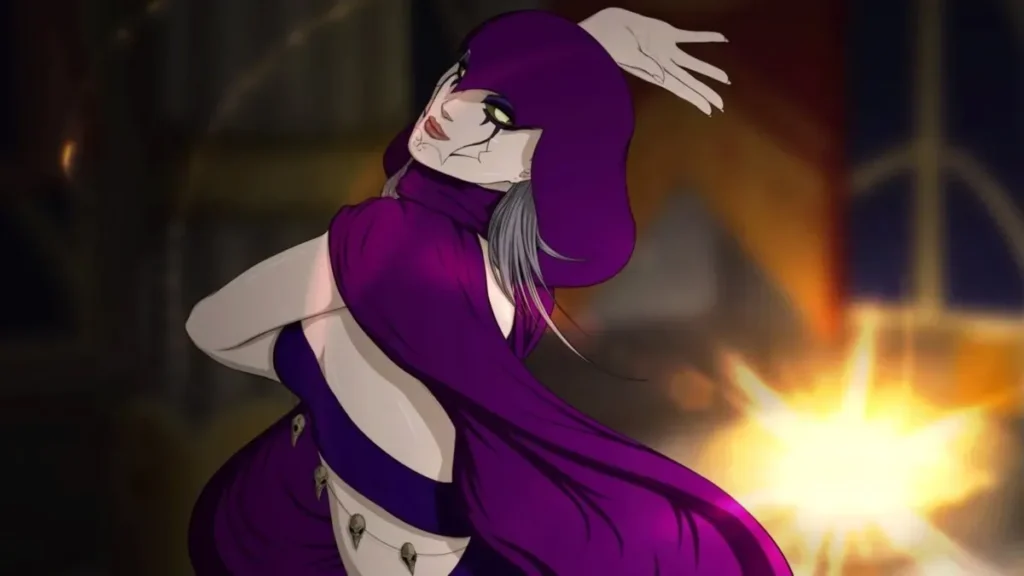
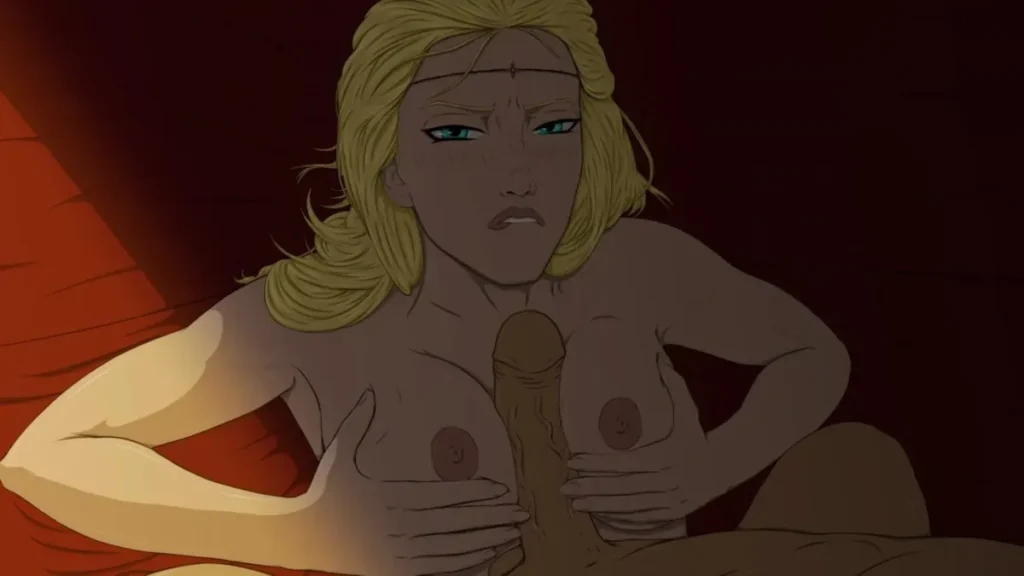
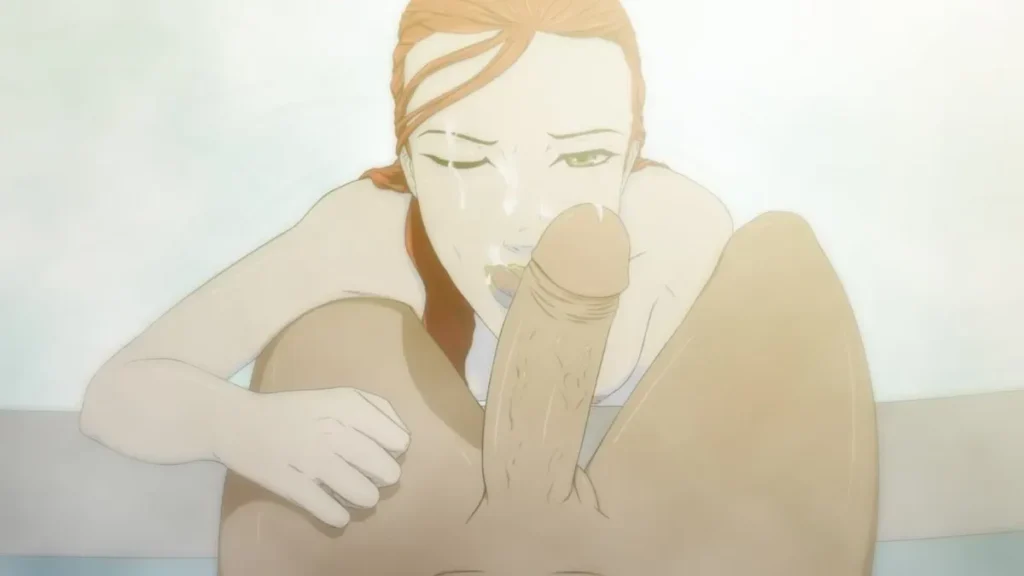
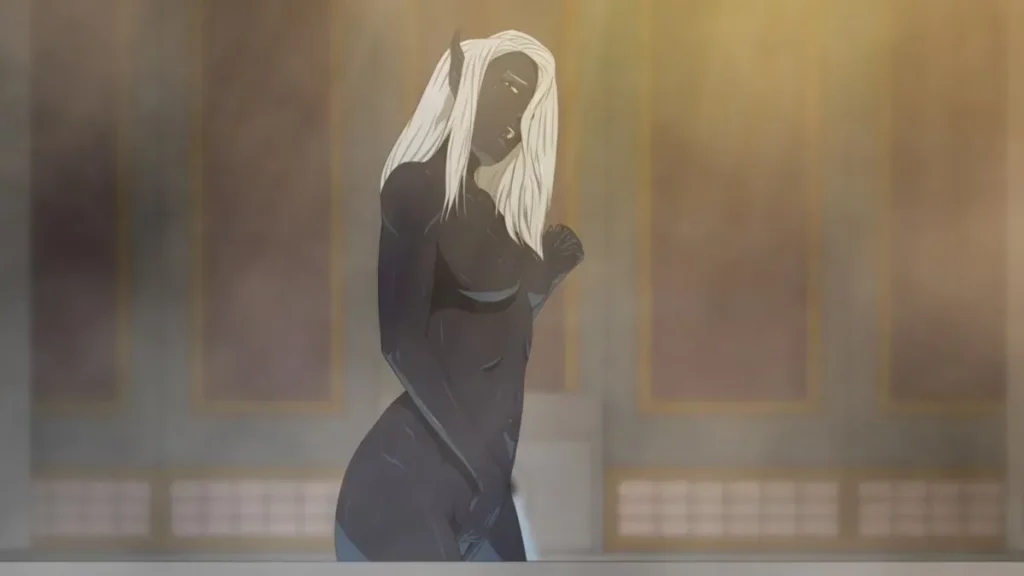
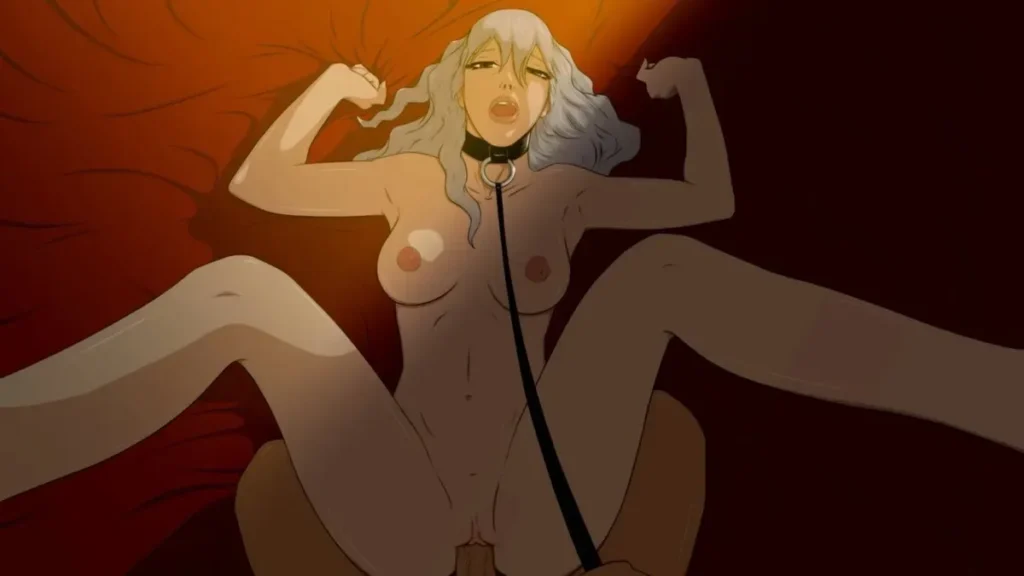
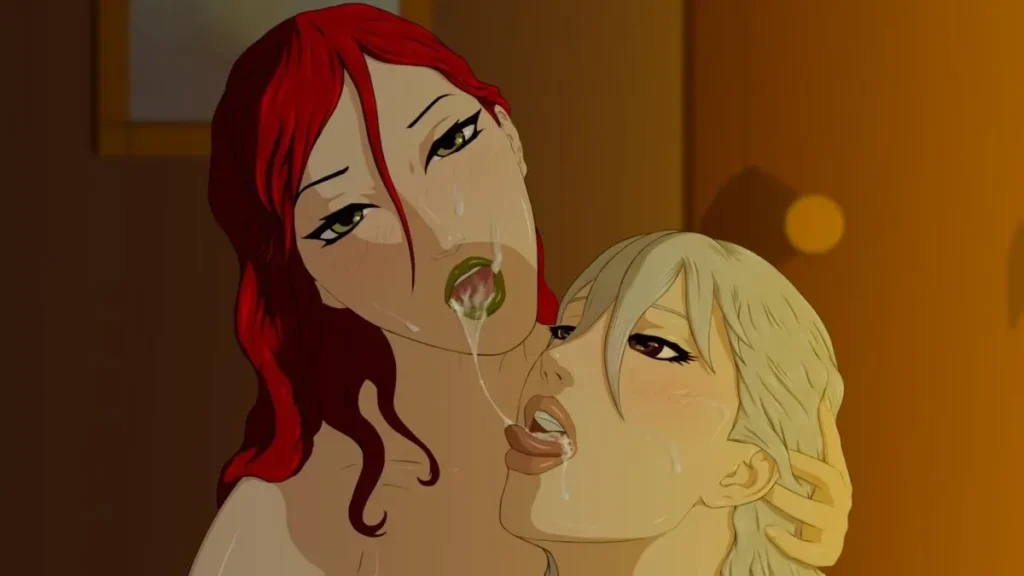
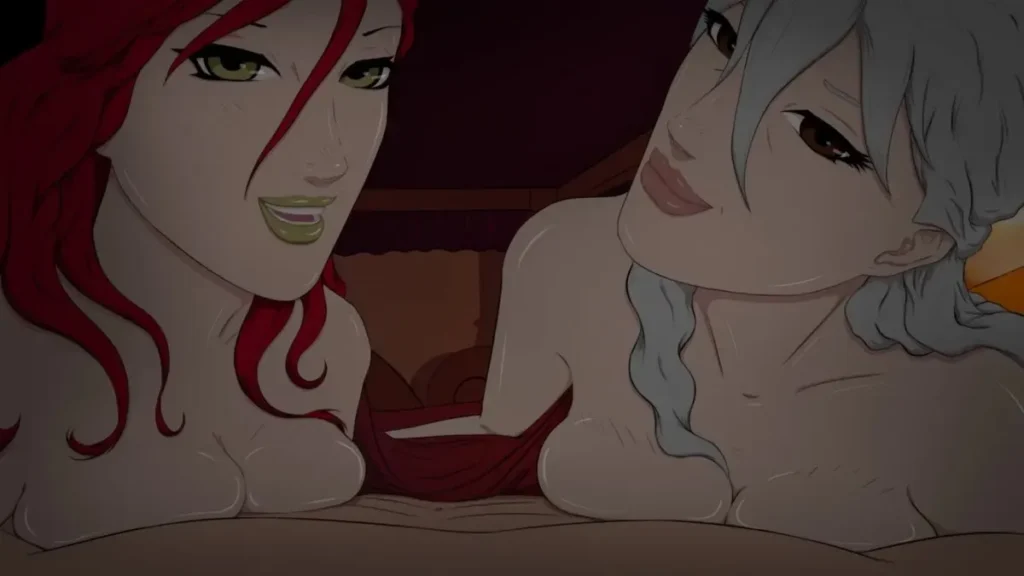
The Fate of Irnia review
Dive into Irnia’s magical world of choices, romances, and thrilling encounters
Imagine stepping into Irnia, a breathtaking realm of elves, dwarves, and humans clashing against brutal orc invasions every 12 years. In The Fate of Irnia, you play a young hero who inherits a mysterious orb on your 17th birthday, right after your father’s passing. This talking artifact unlocks steamy mind-influencing powers, leading to branching paths of adventure, deep romances, and erotic twists. I remember my first playthrough—dying early and meeting the voluptuous Lady Death hooked me instantly. Whether you’re chasing Dabna’s passion or Ghorza’s dominance, every choice shapes your destiny. Ready to conquer Irnia?
What Makes The Fate of Irnia Unmissable?
I still remember the night I first booted up The Fate of Irnia. I was just looking for a new story to lose myself in, something with more weight than a typical click-through adventure. What I found wasn’t just a game; it was a passport to a living, breathing continent where every whispered secret and clenched-fist decision felt like my own. From the very first scene, painting a picture of a humble farmstead under a wide, starry sky, I was hooked. This wasn’t just about watching a tale unfold—it was about holding the pen that would write it. So, what exactly is The Fate of Irnia? Let me pull back the curtain on this unforgettable fantasy visual novel. ✨
Discovering Irnia’s Rich World and Lore
The continent of Irnia isn’t just a backdrop; it’s a character in its own right, with a history you can almost taste in the air. My journey began in a quiet, human farming village, all rolling golden fields and simple comforts. But through the course of the story, I walked the ancient, moss-covered halls of elven tree-sanctuaries, felt the deep, rhythmic hammering from dwarven mountain holds, and navigated the bustling, sometimes treacherous, streets of human cities like the capital, Arandor.
The Irnia world lore is delivered not through dusty textbooks, but through the people you meet. You learn about the Great Schism between mages and the Divine Church through tense dialogues in temple courtyards. You understand the delicate political alliances by listening to gossip in taverns filled with the scent of ale and roasted meat. This is a land where paladins patrol the roads, mysterious druids guard forgotten groves, and adventurers whisper of dungeons brimming with forgotten magic and danger.
But this rich tapestry faces a recurring, brutal threat: the orc invasions Irnia endures. Every twelve years, like a grim clockwork, the hordes from the harsh eastern continent of Arworos cross the sea. They don’t come for trade or talk; they come with fire and axe, ravaging the countryside and testing the very mettle of Irnia’s fractured peoples. The shadow of the next invasion looms over your entire adventure, turning every alliance you forge and every resource you gather into a potential key to survival. Understanding this cycle of conflict is central to the Irnia world lore and makes your role feel critically important.
And then, there’s you. You play a 17-year-old who has grown up with a loving mother and sister, unaware of your true origins. Your most cherished possession is a strange, locked box left by your absent father, which you’re told will open on your maturity. When it finally does… well, that’s when everything changes. The box reveals a pulsating, magical artifact: the Orb. This isn’t just a pretty gem; it’s the source of your unique wizard orb powers. I was genuinely stunned by its dual nature. One side glows a deep, passionate red, influencing emotions of desire and passion. The other radiates a calm, celestial blue, touching hearts with romance and deep affection. Learning to wield this power—or choosing not to—becomes the core of your identity and your greatest tool in shaping The Fate of Irnia.
How Player Choices Drive Epic Outcomes?
If there’s one pillar holding up the entire experience of The Fate of Irnia, it’s the sheer power of your decisions. This is the ultimate “what if?” machine. Early on, I made what I thought was a simple, compassionate choice to help a suspicious stranger on the road. Hours later, that same stranger emerged as a key lieutenant in a guild I was trying to dismantle, forcing me into a heartbreaking confrontation. The game remembers everything.
The narrative branches like an ancient, gnarled tree. Will you use your wizard orb powers to charm your way into a noble’s confidence, or rely on honest diplomacy and cunning? When faced with the horrors of the orc invasions Irnia, do you rally the militias for a direct defense, or seek a risky, magical solution that could endanger innocents? These aren’t just flavor choices; they lock and unlock entire story arcs, determine who lives or dies, and fundamentally alter how factions view you.
This all culminates in the game’s famous player choices endings. There is no single “good” or “bad” roll of credits. In one playthrough, I broker a fragile, hard-won peace, uniting elves, dwarves, and humans to push back the orcish threat in a glorious, allied stand. In another, consumed by the orb’s red influence and my own ambition, I manipulated my way to the top, seizing the vacant throne for myself in a shocking power grab. The player choices endings can see you as a beloved hero, a feared warlord, a shadowy puppet master, or even a humble farmer returning to a quiet life after the storm. The fate of the continent literally rests in your hands, making the title The Fate of Irnia wonderfully literal.
I loved how one seemingly minor decision to spare a fleeing orc scout later opened up a secret diplomatic path I never knew existed, leading to my favorite ‘Understanding’ ending. It completely changed my view of the conflict!
– A veteran player on the game’s replay value
The moral dilemmas are especially gripping. The wizard orb powers of the artifact you wield are incredibly potent, but using them feels… invasive. Is it right to subtly adjust someone’s feelings for the “greater good”? Is building a romance on a foundation of magical influence even real? The game never judges you aloud, but the consequences of your answers play out in hauntingly beautiful—or tragically twisted—ways.
Key Features That Boost Replay Value
So, you’ve saved Irnia once. Why would you immediately want to dive back in? Because The Fate of Irnia is built from the ground up to be experienced multiple times. It’s the very definition of a fantasy visual novel with endless possibilities. Here’s what makes hitting that “New Game” button so irresistible:
- The Web of Relationships: Every major character has their own loyalty, affection, and trust meters hidden beneath the surface. Focusing your attention (and perhaps your orb’s influence) on different companions unlocks unique quests, dialogue, and romantic subplots. Romancing the stern elven warrior leads you down a path of honor and ancient rituals, while winning the heart of a clever mage involves unraveling political conspiracies in the capital. I’ve played four times and still haven’t seen every character’s full personal story.
- The Path of the Orb: Will you master the red side, the blue side, or try for a precarious balance? Your approach to your wizard orb powers opens specific dialogue options and story branches. A red-aligned character might solve problems with seduction and intimidation, while a blue-aligned one uses heartfelt persuasion and poetic romance. Some endings are only accessible if you fully commit to one path.
- Hidden Secrets and Factions: Aligning with the Divine Church unlocks holy quests against dark magic. Infiltrating the Mage’s Circle reveals secrets about the orb’s true origin. Helping the clandestine Thieves’ Guild gives you a network of spies but makes you an enemy of the state. Each faction offers a completely different lens on the central plot and the orc invasions Irnia.
My Practical Advice for New Adventurers:
- Save Often, and in Multiple Slots! This is non-negotiable. The game autosaves at key points, but you’ll want manual saves before every major decision. Sometimes you just have to see where a chaotic choice leads.
- Embrace Your Role-Play. On your first run, don’t try to game the system. Make choices that feel true to the character you imagine. You’ll get a more coherent and emotionally satisfying story.
- Experiment Wildly on Later Plays. Once you know the basics, go off the rails! Be a ruthless villain, a pacifist saint, or a charming scoundrel. The most fascinating player choices endings come from these extreme playthroughs.
- Talk to Everyone, Every Time. The Irnia world lore and many quest triggers are hidden in casual conversations that update after every story beat.
To give you a clear view of what to expect, here’s a breakdown of the common highlights and hurdles players discuss:
| What Players Love 💖 | Where Some See Room for Growth ⚠️ |
|---|---|
| An incredibly engaging, branching story that feels personal | Some early artwork can feel less polished compared to later scenes |
| Meaningful choices with serious, long-term consequences | Pacing can be uneven, with some political sections feeling slow |
| Very high replayability with drastically different endings | The power of the main orb can sometimes feel overwhelming |
| Deep, rewarding relationship and romance systems | |
| Epic plot twists that recontextualize the entire journey |
In the end, what is The Fate of Irnia? It’s a masterpiece of interactive storytelling. It’s a deep dive into a compelling Irnia world lore, a tense struggle against orc invasions Irnia, and a personal saga defined by profound player choices endings. It asks you what kind of person—or power—you want to be in a world on the brink. Whether you’re a fan of rich narratives, complex characters, or just love seeing how many different ways a story can end, this fantasy visual novel is an absolute treasure. And trust me, we haven’t even scratched the surface of the romances waiting for you… but that’s a tale for another time. Your destiny in Irnia awaits. 🗡️📖✨
The Fate of Irnia captivates with its blend of fantasy adventure, meaningful choices, and tantalizing romances—from the orb’s seductive powers to encounters with Lady Death and routes like Dabna or Ghorza. My multiple playthroughs revealed how every decision crafts unique stories, from heroic triumphs to underworld reigns. Whether uncovering your father’s secrets or forging passionate bonds, it’s a journey worth replaying. Grab the game today, dive in, and share your favorite path in the comments—what ending did you unlock first?