Exciting Games
Play Exciting Games
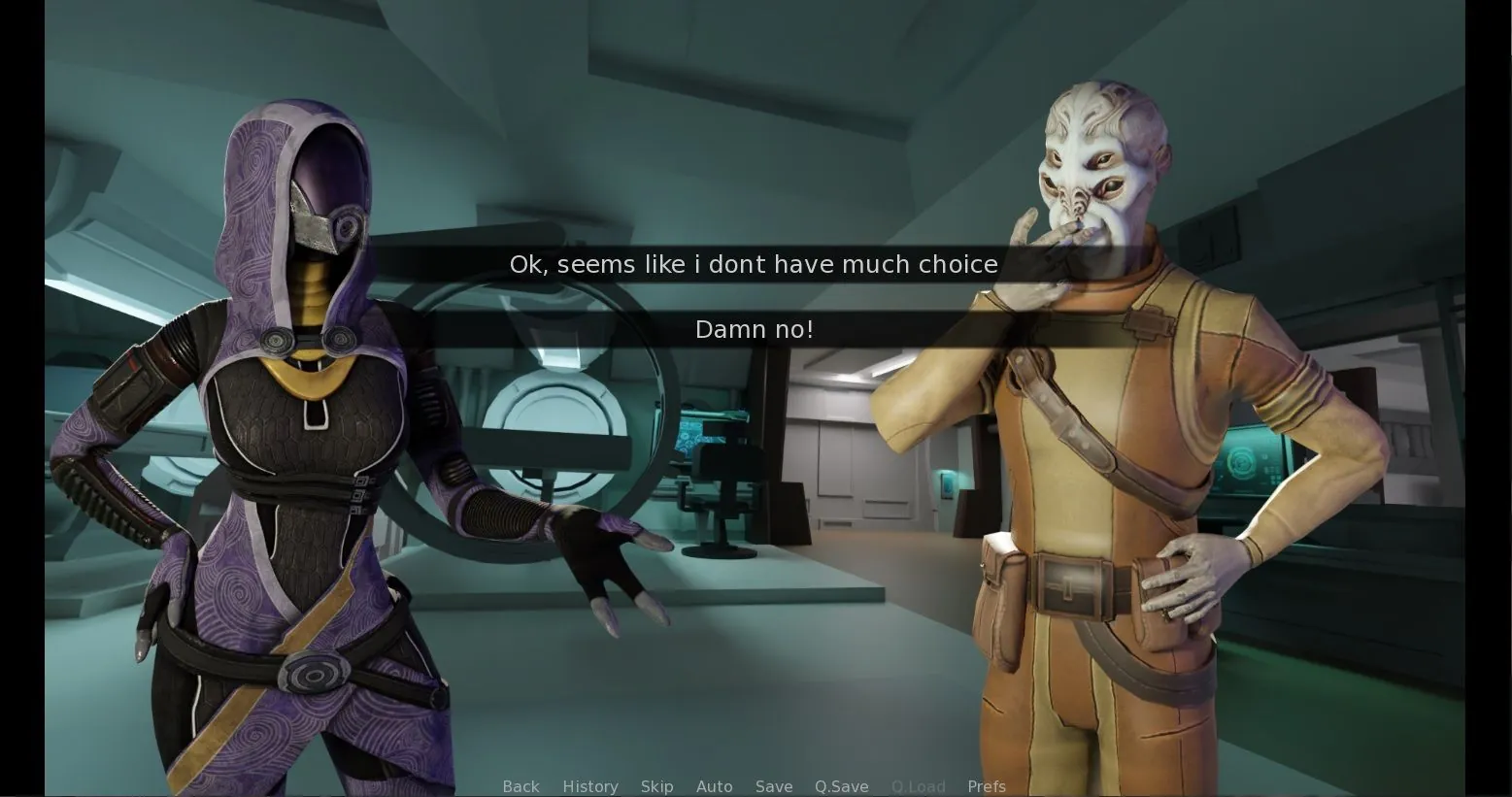
Exciting Games Screenshots










Exciting Games review
Explore dynamic storytelling, character customization, and immersive gameplay in this innovative interactive experience
Exciting Games represents a new generation of interactive entertainment that goes beyond traditional linear narratives. This living narrative engine combines jaw-dropping visuals with reactive storytelling, allowing players to co-write their own adventures rather than simply follow a predetermined path. Whether you’re negotiating with cyber-pirates or customizing your character’s specialized abilities, every decision shapes your unique experience. The platform features deep character customization, dynamic worlds that evolve based on your choices, and NPCs that remember your actions hours into gameplay. If you’re looking for an interactive experience where your choices genuinely matter and the world responds to your decisions, Exciting Games delivers an unforgettable gaming experience.
What Makes Exciting Games Stand Out in Interactive Entertainment
Let’s be honest for a minute. How many times have you played a game where your choices were supposed to “change everything,” only to find that the world snaps back to normal like a rubber band the moment you turn a corner? 😤 You might get a slightly different cutscene, but the guard you bribed yesterday still asks for your papers today. It feels… hollow. That’s because most titles offer the illusion of choice, not the weight of consequence.
This is exactly where Exciting Games breaks the mold. It’s not just another entry in the catalog of branching narrative games; it’s a paradigm shift. Instead of following a pre-written path, you are handed the chisel and asked to help sculpt the universe itself. Every decision, from the grand to the seemingly trivial, ripples outwards, permanently altering the landscape, relationships, and story. This isn’t about watching a narrative unfold—it’s about interactive storytelling games that truly listen.
So, what makes it stand out so dramatically? It’s the fusion of three core pillars: a story that reacts, a character that matters beyond their looks, and a world that breathes and evolves. To see just how different this approach is, let’s break it down.
| Feature | Typical Interactive Titles | Exciting Games |
|---|---|---|
| Choice Impact Duration | Temporary; resets after quest or story beat. | Permanent; the world remembers actions 20+ hours later, leading to unique scenarios. |
| Customization Depth | Primarily cosmetic (armor skins, hairstyles). | Mechanical & Narrative; your character’s background, skills, and traits unlock unique dialogue, quests, and solutions. |
| NPC Memory & Behavior | Scripted reactions; limited long-term memory. | Reactive NPC Behavior; characters adapt to your reputation, hold grudges, offer unique help, or spread rumors. |
| Dynamic Event Systems | Predetermined encounters in fixed locations. | Procedural Storytelling; weather, faction status, and past deeds combine to generate unique, unscripted events. |
This framework creates an immersive game experience that feels uniquely yours. It’s the difference between reading a choose-your-own-adventure book and being placed inside a living, reactive ecosystem. Let’s dive into each pillar and see how it transforms play.
Reactive Storytelling That Adapts to Your Choices
Forget dialogue wheels where every option leads to the same result. In Exciting Games, the narrative is a living entity that morphs around you. This is choice-driven gameplay at its most potent. The game employs a sophisticated “World Memory” system that logs your significant actions—and many you might think are insignificant.
Imagine this: early in your journey, you stumble upon a caravan being attacked by bandits. You have a moment to decide: help the merchants, help the bandits for a share of the loot, or slip away unnoticed. In a standard game, this might give you a karma point or a unique item, and then it’s forgotten.
Here, that decision has teeth. 🦷
If you help the merchants, you’re not just earning a temporary “friendly” status. You’ve officially made an enemy of the Red Canyon Bandits. Twenty hours later, while you’re navigating a treacherous mountain pass during a blizzard (a dynamic world system at work), that same bandit faction, remembering your interference, might lay an ambush. But crucially, the merchants you saved? They’ve spread word of your deed. A traveling knight who heard the tale might arrive as unexpected reinforcements. The encounter wasn’t scripted; it was generated by your past.
This is the essence of reactive NPC behavior. Characters aren’t quest dispensers with exclamation marks over their heads. They are agents with their own memories and motivations. If you consistently solve problems with brute force, diplomatic characters may become fearful or refuse to deal with you. If you’re known as a liar, your persuasions will carry less weight. The game doesn’t judge you morally; it reacts to you logically. This creates a profoundly personal interactive storytelling games experience where no two players have the same relationship with the world.
Tip: Talk to everyone, and revisit old acquaintances. Their dialogue will change based on your growing legend, often revealing new opportunities or warnings you’d otherwise miss.
The factions are another brilliant layer. Your standing with them is fluid and impactful. Helping a faction secure a resource isn’t just a checkmark for a reputation bar. It means they become stronger in the world. You might later see their patrols in areas they previously couldn’t secure, offering you safe passage. Conversely, betraying a faction doesn’t just lock you out of their quests—it turns them into an active, persistent threat. They will send hit squads, sabotage your deals with other groups, and spread disinformation about you. Your story becomes a web of cause and effect that you are constantly weaving.
Deep Character Customization Beyond Cosmetics
Alright, we all love making a cool-looking hero. 🎭 But in Exciting Games, the true power of character customization mechanics lies under the hood. Your choices during creation—your background, your core traits, your learned skills—are not just stat buffs. They are narrative keys.
Let’s say you choose the “Guild Apprentice” background. This isn’t just flavor text. From the first moments in the central city, guards might recognize your former guild’s insignia and let you through a checkpoint without a hassle. A shopkeeper, who owes your old master a debt, might offer you a steep discount. Conversely, a rival guild member might immediately distrust you, making certain interactions harder from the get-go.
This philosophy extends to skills. Investing heavily in “Wilderness Survival” doesn’t just mean you take less damage from cold. It might unlock a unique conversation with a nomadic tribe, allowing you to bypass a combat encounter entirely by speaking their language and understanding their customs. Your high “Logic” skill could let you dissect a villain’s flawed plan mid-conversation, exposing their weakness and turning their allies against them in a stunning narrative twist.
I remember creating a character who was a former city watch investigator with a specialty in forensic medicine. At one point, I came across a murder that the local guards had written off as a monster attack. Because of my character’s specific traits, I was able to examine the body and find evidence of poison, completely rerouting the quest into a political conspiracy storyline that was otherwise inaccessible. My friend, playing as a charismatic bard, solved the same “quest” by getting the local tavern keeper drunk and learning a secret through song. We were playing the same game, but having entirely different adventures.
This depth ensures your avatar is truly yours. You’re not just customizing a look; you’re customizing a role in the story. It makes every skill point feel meaningful and directly ties your growth to new narrative possibilities, supercharging the immersive game experience.
Dynamic Worlds That Evolve With Your Decisions
This is where all the systems converge into something magical. The world of Exciting Games is not a static painting you walk through; it’s an ecosystem. Dynamic world systems ensure that the environment itself is a character and a record of your journey.
The most obvious system is the dynamic weather and day/night cycle, but it goes far beyond visual flair. A heavy rainstorm isn’t just for atmosphere—it turns dirt paths to mud, slowing movement and making it harder for archers to aim. A river might swell and flood a lowland cave system, blocking an entrance you used yesterday and forcing you to find a new route. You learn to plan your expeditions around the skies, adding a layer of tangible strategy to exploration.
But the real magic is in the settlements. Cities and towns evolve based on your quest outcomes. Remember that early choice about the caravan? If you consistently make the trade routes safer, the nearby town of Oakhaven might visibly prosper over time. New buildings are constructed, the market has more vendors, and the guards wear better armor. If you let banditry run rampant, that same town might become fortified and paranoid, with boarded-up windows and desperate, hostile citizens.
Now, let’s talk about the example of the rainy assault on Neon City. 🌃⛈️
This isn’t a scripted story mission. It’s a procedural encounter that can trigger based on multiple world states. Perhaps you’ve been aiding the Neon City rebels, and the corporate faction has had enough. The game’s systems decide to launch an assault to crush them.
- If you have a high reputation with the rebels: You receive a desperate message for help. The assault happens at night, in a torrential downpour. The rain reduces visibility for the corporate drones, giving you and your rebel allies a stealth advantage. Your prior actions have determined the context of the battle.
- If you betrayed the rebels to the corporates: You might be leading the assault. The weather is clear, and you have drone support. The rebels are unprepared and outgunned—a consequence of your earlier betrayal.
- If you are neutral: You might just stumble into the chaotic firefight while on another job. The weather is random, and both sides might shoot at you. You have a split second to decide who, if anyone, to help, and that decision will cement your reputation with both factions permanently.
The terrain, the allies, the enemies, and the weather are all variables that combine to create a unique, unforgettable event that belongs to your story alone. This is the antithesis of grinding repetitive content. You are not clearing map icons; you are navigating the ongoing consequences of your legend.
The gameplay loop becomes addictively meaningful. You are driven by a genuine curiosity: “What will happen if I do this?” You want to see how the world reacts, how your character can grow into new situations, and how the story you are telling unfolds. It’s a loop of action, consequence, and adaptation that makes you feel like a true architect of your own destiny.
Exciting Games has redefined what an interactive storytelling game can be by seamlessly weaving together reactive NPC behavior, profound character customization mechanics, and truly dynamic world systems. It moves beyond temporary choice-driven gameplay to offer a world where your decisions carve permanent marks. This isn’t just playing a game; it’s living a story that could only be told through your actions, creating an immersive game experience that resonates long after you’ve put down the controller. You’re not just passing through this world—you’re leaving your mark on it, forever.
Exciting Games represents a significant evolution in interactive entertainment, moving beyond traditional linear storytelling to create a truly responsive gaming experience. The combination of reactive storytelling, deep character customization that affects gameplay, and dynamic worlds that evolve based on your decisions creates an experience where every playthrough feels genuinely unique. Whether you’re playing solo or coordinating with others in multiplayer scenarios, the game’s responsive design ensures that your choices matter and the world remembers your actions. The replayability factor means you can experience entirely new narratives by choosing different paths, making each session feel fresh and unpredictable. If you’re seeking an interactive experience that respects player agency and delivers meaningful consequences for your decisions, Exciting Games offers an immersive adventure worth exploring. Start your journey today and discover how your choices shape an ever-evolving universe.