On Distant Shores
Play On Distant Shores
On Distant Shores Screenshots


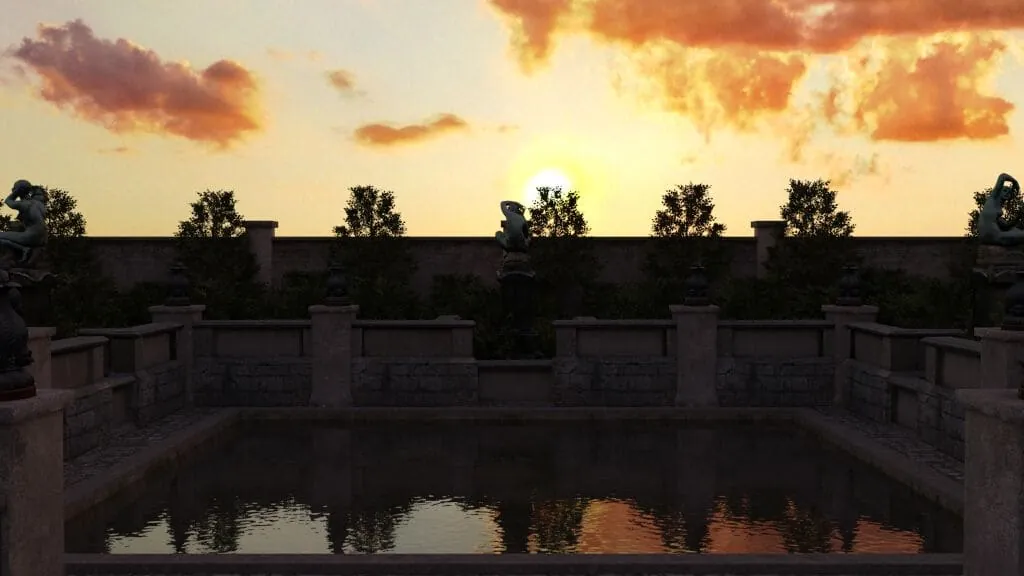

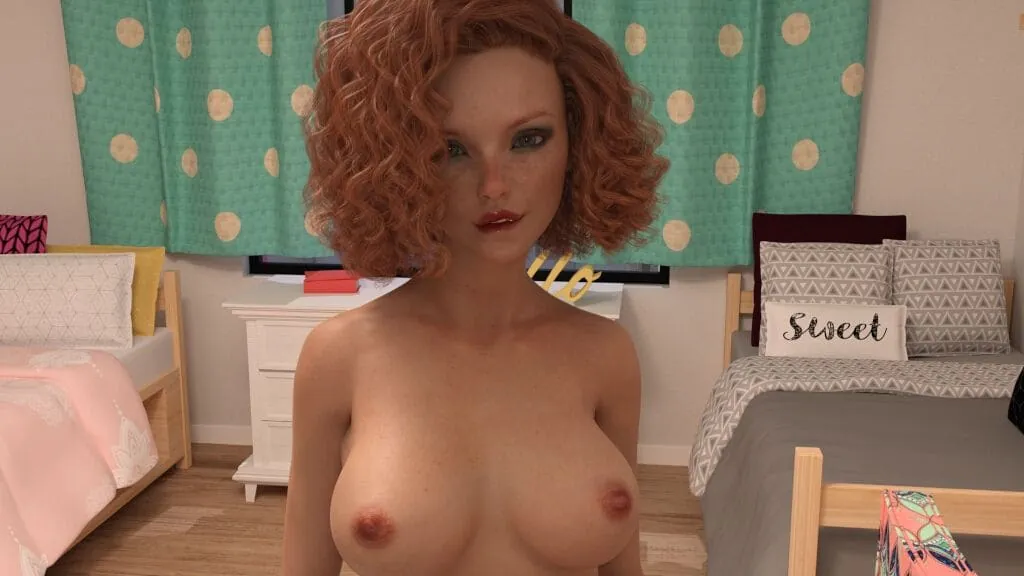
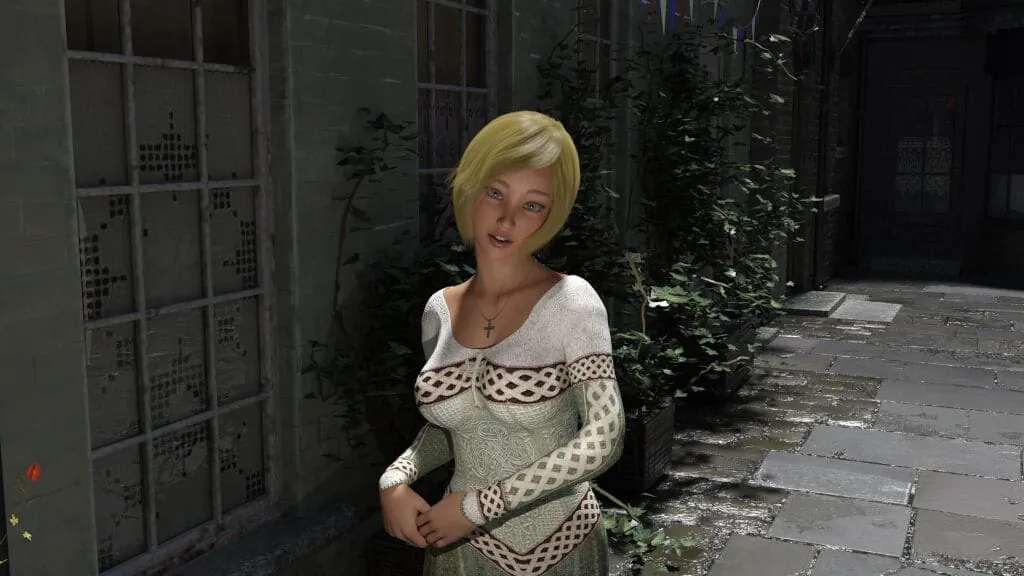
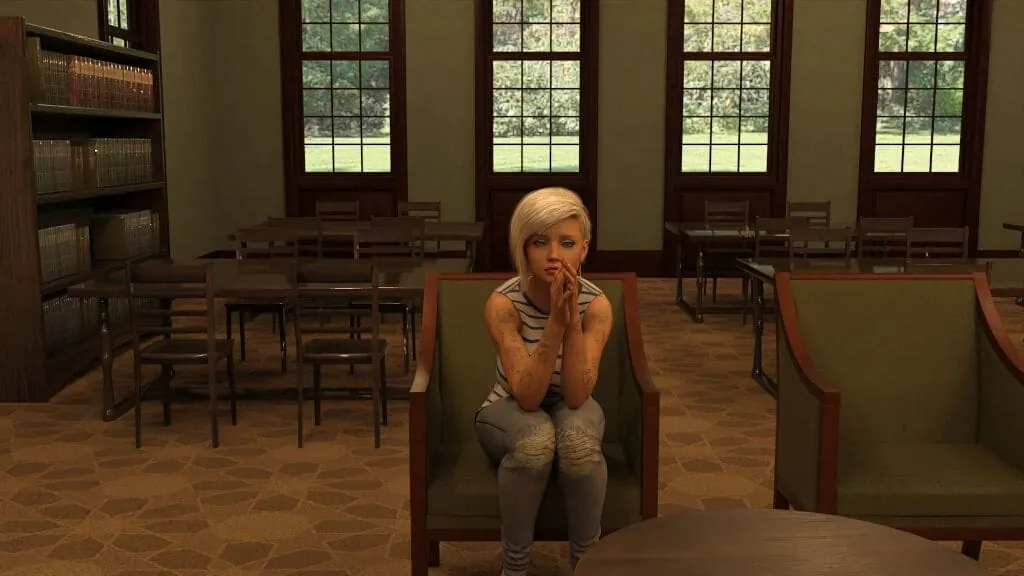


On Distant Shores review
A personal look at On Distant Shores, its story, mechanics, and what to expect as a player
On Distant Shores is a narrative-driven game that blends character relationships, interactive storytelling, and mature themes into a single experience. Players are drawn in by its mix of story choices, visual presentation, and slow-burn character development. In this article, I will walk you through what makes On Distant Shores stand out: how the story unfolds, how the systems work, and what you can realistically expect from a full playthrough. I will also share some personal impressions and practical tips that would have helped me when I first started the game.
What Is On Distant Shores and Why Has It Gained Attention?
If you’ve stumbled across mentions of On Distant Shores in your gaming circles, you might be wondering what all the quiet buzz is about. Is it just another pretty face in a crowded genre, or is there something more beneath the surface? Let me pull up a virtual chair and share my take. At its heart, what is On Distant Shores? It’s a beautifully crafted, narrative-driven experience that belongs firmly in the adult visual novel game category. But don’t let that simplistic label fool you—this isn’t just about fleeting encounters. It’s a slow-burn, relationship focused game where every whispered conversation and loaded glance carries weight. You’re here for the story, the emotional bruises, and the fragile connections that form in isolated places. 🏝️
The On Distant Shores game asks for your patience and attention, rewarding you with a character depth that many faster-paced titles can only dream of. I’ll admit, I went in expecting a certain… straightforwardness. What I found instead was a poignant exploration of loneliness, trust, and the paths we choose when there’s no one else around to watch. If you’ve ever enjoyed getting lost in a good book where the setting is a character itself, you’re in the right place.
Core Premise and Setting of On Distant Shores
The genius of the On Distant Shores story begins with its environment. You find yourself in a remote, windswept coastal community—the kind of place where the horizon is a perpetual line of grey sea meeting grey sky. It’s isolated, beautifully melancholic, and a little bit eerie. This isn’t a tropical vacation; it’s a retreat, sometimes a self-imposed exile. The characters are here because they’re running from something, or perhaps toward a solitude they can’t find anywhere else. This masterful setting isn’t just a backdrop; it’s the engine for the entire narrative.
Think about it: when you’re stuck in a small, remote locale with the same handful of people, every interaction is amplified. 😶🌫️ A casual remark over coffee lingers for days. A withheld secret creates a chasm. The On Distant Shores game leverages this atmosphere of isolation perfectly, making the growing closeness—or the painful distance—between characters feel incredibly real and earned. The crashing waves and lonely cliffs aren’t just scenery; they mirror the internal landscapes of the people you meet.
The core gameplay loop revolves around this atmosphere. You’ll spend your time engaging in deep, branching dialogues, making choices that feel small in the moment but ripple outward. Do you press the mysterious newcomer about their past, or respect their silent boundaries? Do you share your own vulnerabilities to build trust, or keep your walls up to stay safe? This is a game of emotional navigation, not physical exploration. There are no combat stats to manage or complex puzzles to solve—the primary challenge is understanding the human heart.
My Early Takeaway: The game taught me that in a quiet world, a simple choice to listen can be more powerful than any dramatic action.
So, why are players so drawn to this specific experience? From my time with it, the appeal boils down to a few key pillars:
- The Compelling Story: It’s a narrative that prioritizes emotional truth and slow revelation over shocking twists.
- Deep Characters: These feel like real people with layered motivations, not just archetypes to collect.
- Meaningful Choices: Your decisions tangibly shape relationships, leading to different scenes, confidences, and endings.
- Immersive Atmosphere: The setting is a character in itself, creating a mood that sticks with you long after you stop playing.
Main Characters and Relationship Dynamics
Let’s talk about the soul of the experience: the On Distant Shores characters. You typically step into the shoes of a protagonist carrying their own baggage—maybe a writer seeking inspiration, someone healing from a loss, or just a person profoundly tired of the noise of modern life. You’re not a blank slate; you have a history that colors your perspective. The people you meet are similarly crafted with care. You might encounter the enigmatic local who seems to know all the area’s secrets, the warm but weary community stalwart, or another outsider whose cheerful facade slowly cracks to reveal deeper complexities. 🎭
The game excels at subverting expectations. The character who seems standoffish at first might have the most loyal heart. The one who seems effortlessly charming could be hiding profound fragility. The joy of the On Distant Shores story is in peeling back these layers, scene by scene, choice by choice. This is achieved through a fantastic relationship system that tracks more than just “affection points.” It gauges trust, respect, and intimacy, often separately. You can be deeply intimate with someone who doesn’t fully trust you, leading to wonderfully tense and dramatic narrative branches.
I remember one playthrough early on where I made what I thought was a harmless, jokingly sarcastic comment to a character about their tightly-held routine. It was meant to be playful! But this character valued structure and respect above all, born from a chaotic past I didn’t yet know about. That single choice didn’t lower a simple “like” meter—it marked me as insensitive in their internal log. Hours later, when I was in a position where I needed their help, they politely, coldly refused, referencing that earlier flippancy. It was a gut punch. It showed me that this relationship focused game was paying attention in a way most others don’t. My words had consequences, not for a plot flag, but for a believable human dynamic.
To give you a clearer picture of the interplay at work, here’s a simplified look at how different approaches can shape a single relationship:
| Character Archetype | Player Approach | Potential Relationship Path |
|---|---|---|
| The Guarded Local | Patient, observant, respects boundaries | A slow-building, deeply trusting bond where they reveal their protective nature. |
| The Guarded Local | Pushy, demanding answers, focused on romance | A permanently strained connection where they remain closed off, viewing you as another outsider who takes. |
| The Cheerful Outsider | Supportive, sees through their smile, offers quiet solidarity | A genuine friendship where they share their hidden anxieties and the relationship becomes mutually nurturing. |
| The Cheerful Outsider | Dismissive, takes their cheer at face value | A superficial, fading acquaintance; you never see the depth behind their act, and they learn to hide it from you. |
This level of detail means replaying the On Distant Shores game is genuinely rewarding. Choosing a different focus character isn’t just seeing new romantic scenes; it’s uncovering a wholly different perspective on the community and its secrets.
Who Is On Distant Shores Really For?
This is the crucial question: is On Distant Shores worth playing for you? It won’t be for everyone, and that’s okay. This game finds its sweet spot with a specific kind of player. 🎯
It’s perfect for those who see gaming as a vessel for stories. If you love interactive novels, story-heavy RPGs where you can talk to everyone, or even slower-paced life sims, you’ll feel right at home. The ideal player is someone who doesn’t mind—in fact, relishes—reading extensive dialogue and savoring quiet moments of character development. You’re here for the emotional weight of a decision, not the adrenaline rush of a headshot.
I have a friend who exclusively plays competitive shooters. I would never recommend this to him. But I have another friend who spends hours in games like Disco Elysium or Firewatch, just soaking in the world and the words. For her, On Distant Shores was a revelation. She called it “a weekend spent in another person’s emotional world,” which I think is perfect. It’s also an excellent entry point for people curious about adult visual novel games but are wary of shallow tropes. This game uses its mature themes to explore complex relationships and personal growth, not as a simplistic end goal.
You should approach this game with a mindset of curiosity and patience. Come for the atmosphere, stay for the people. Be prepared to make choices that might make you pause and think, “What would I really do here?” Your reward will be a story that feels personally tailored, with conclusions that resonate because you built them, word by careful word.
So, is On Distant Shores worth playing? In my personal, deeply felt opinion, absolutely—if its description has resonated with you so far. Its strengths are monumental in the realms of mood, character writing, and the consequence of choice. It stands out in the narrative game landscape not with loud explosions, but with the deafening silence after a hurtful truth is spoken, and the fragile hope of a connection forged despite it all. It’s a journey to a distant shore, and the treasures you find there are entirely human.
On Distant Shores rewards players who enjoy getting immersed in a slow-building story, paying attention to dialogue, and exploring different relationship paths. Once you settle into its rhythm, you start noticing how each choice nudges the story in a slightly different direction and reveals new sides of the characters. If you appreciate narrative-driven experiences where mood and connection matter more than complex mechanics, this title is worth your time. Take it as an invitation to sit back, explore the different routes, and discover which version of the story feels most personal to you.