Summertime Saga
Play Summertime Saga
Summertime Saga Screenshots







Summertime Saga review
Explore gameplay mechanics, character routes, and features of this popular indie game
Summertime Saga stands out as a unique adult-oriented dating simulation game that has captivated thousands of players since its development began in 2016. Unlike typical games in its genre that rely on anime or 3D models, this indie title features distinctive hand-drawn cartoonish visuals that give it a charming aesthetic. The game combines point-and-click adventure mechanics with dialogue-driven storytelling, creating an immersive experience set in the fictional suburban town of Summerville. With over 65 characters to interact with, 30+ unique locations, and 20+ mini-games, Summertime Saga offers extensive content for players seeking a narrative-rich experience. Whether you’re interested in unraveling the mystery surrounding your character’s father’s death or exploring romantic relationships with various townspeople, this guide covers everything you need to know about the game.
Understanding Summertime Saga: Core Gameplay and Mechanics
Let’s be honest, you’ve probably heard the buzz. Maybe a friend whispered about it, or you saw some, let’s say, appreciative fan art online. Summertime Saga isn’t just another flash-in-the-pan title; it’s a cultural phenomenon in the indie gaming world. But what exactly is it, and more importantly, how do you play Summertime Saga? If you’re curious but confused, you’ve come to the right place. Think of this as your friendly guide, stripping away the mystery to reveal the incredibly engaging dating simulation game mechanics and sandbox freedom that have captivated millions. I remember first booting it up, expecting one thing, and being utterly charmed by the hand-drawn world and surprisingly deep stories. Buckle up! 🎮
What Is Summertime Saga and How Does It Work?
At its heart, Summertime Saga is a labor of love—an adult-oriented, narrative-driven experience that masterfully blends several genres. You play as a recently-turned-18-year-old young man living in the fictional coastal town of Summerville. Your life is turned upside down by the mysterious death of your father, which leaves you and your family in massive debt to some unsavory characters. Your mission? Navigate high school drama, build relationships, take on odd jobs, and uncover the truth behind your father’s passing, all while managing the daily life of a teenager with… a lot on his plate. 😅
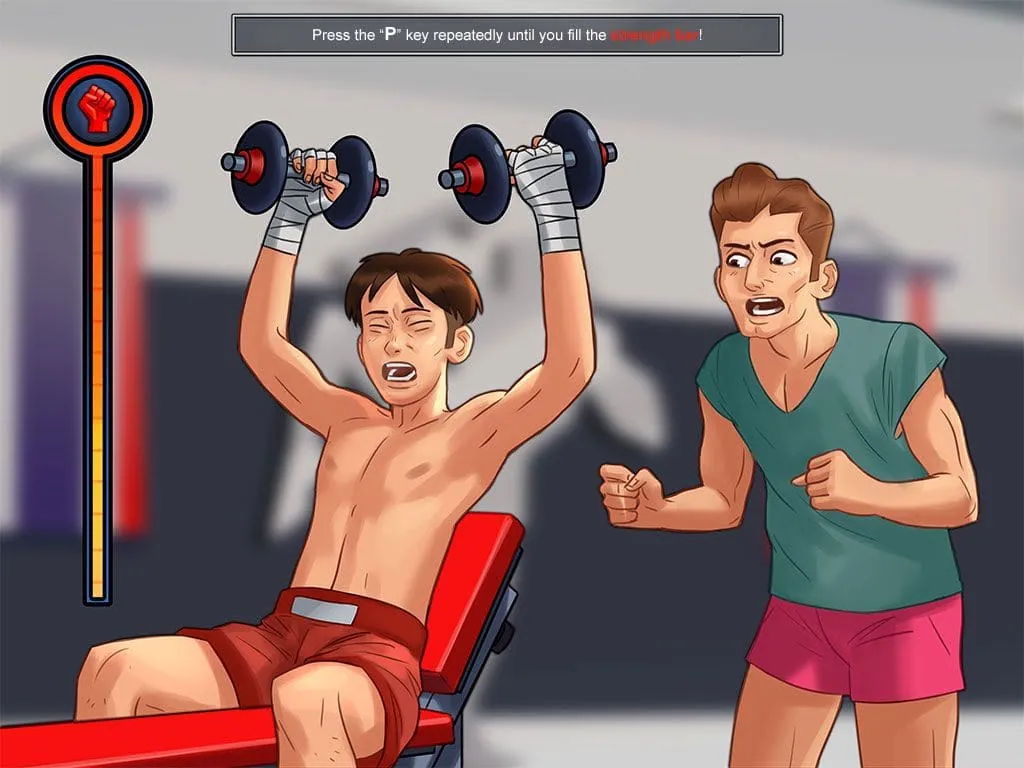
The core loop is deceptively simple. You explore the town of Summerville, talk to its many residents, make choices in dialogue, and participate in activities or mini-games to earn money, improve skills, or progress stories. It’s this fusion that defines the Summertime Saga gameplay: one part point-and-click adventure game where you hunt for interactive elements and clues, and one part dating simulation game mechanics where your dialogue choices directly influence your relationships with the sprawling cast of Summertime Saga characters.
What truly sets it apart is its indie dating sim development story. Created by the small team Kompas Productions and funded directly by fans on Patreon since 2016, it has evolved from a humble, non-adult concept focused on a beach trip and a character named Roxxy into the massive, content-rich Summerville sandbox game it is today. This direct-to-community model has allowed for continuous expansion, with the team frequently updating and even completely rewriting the game’s code for better stability—a testament to their commitment. The game is free to play, with supporter perks on Patreon, making it an incredibly accessible entry into the genre.
Game Structure: Sandbox Exploration and Story Progression
So, how does a day in the life of your Summerville avatar work? Understanding this structure is key to mastering how to play Summertime Saga. The game doesn’t hold your hand with a linear path. Instead, it drops you into a living, breathing Summerville sandbox game and says, “Go explore.” 🗺️
Your primary interface is your mouse. You click to move around the beautifully drawn locations—from your house and the high school to the beach, the mall, and various… less conventional spots. This point-and-click adventure game foundation means investigation is key. Hover your cursor around; a changing cursor icon will signal something you can examine, pick up, or interact with. Maybe it’s a hidden item, a person to talk to, or a book that boosts one of your stats.
Time is your most precious resource. Each action—walking to a location, having a conversation, working a job—consumes time blocks (morning, afternoon, evening, night). You’ll need to plan your days strategically. Do you hit the library to study for an exam, work at the pizza shop to earn cash for a debt payment, or visit Jenny after school to see if her story progresses?
Pro Tip: Early on, focus on unlocking the map and understanding the daily schedules of key characters. Many story events only trigger at specific times and places!
This is where the brilliant dating simulation game mechanics weave into the sandbox. Each major character has their own multi-stage route, a series of story events that unlock as you fulfill conditions. These might involve reaching a certain friendship level, having a required item, completing a prior task, or simply being at the right place at the right time. There’s no single “right” way to play. You can pursue romantic (or friendly) subplots with your teachers, classmates, neighbors, and other town residents at your own pace, creating a highly personalized narrative.
Let’s look at a concrete example of how time and story intertwine:
Example: The Bankruptcy Event
Early in the main story, you learn your family home is at risk due to the debt. Around Day 20 of your in-game time, a major story event triggers: the bank manager shows up to officially declare bankruptcy. This isn’t just a cutscene—it’s a gameplay pivot. It introduces a new pressure (saving the house), unlocks new locations related to the debt plot, and often serves as a wake-up call to start grinding for serious money. It shows how the Summertime Saga gameplay uses time not just as a clock, but as a narrative drumbeat, pushing the story forward.
Visual Style and Development Philosophy
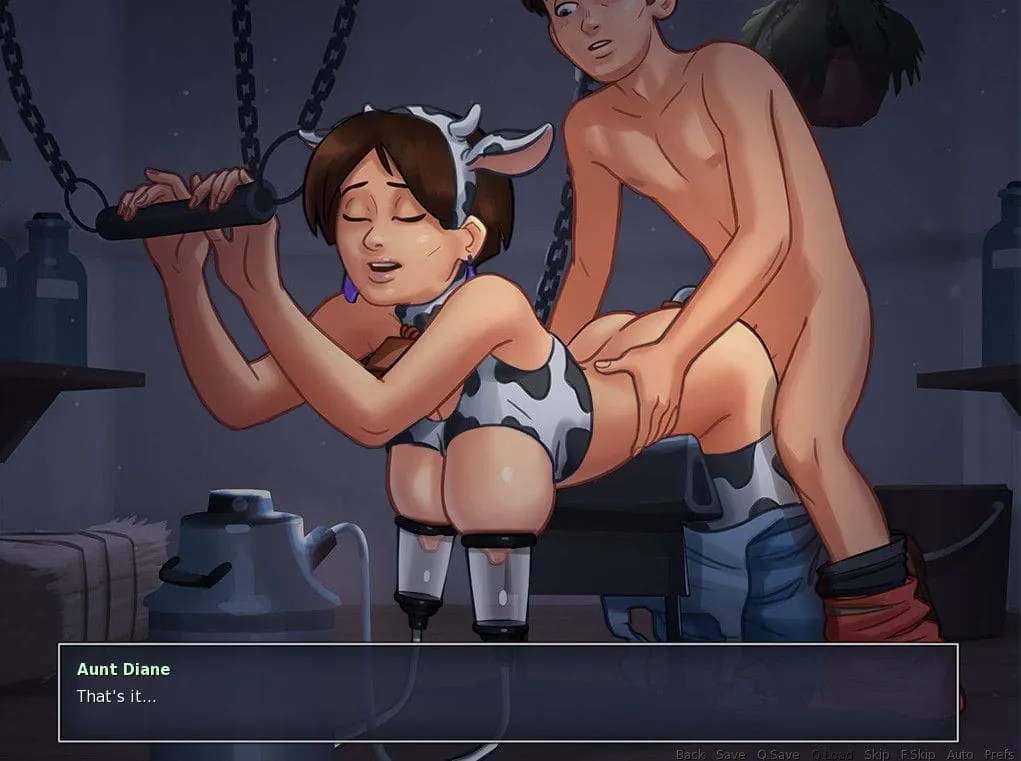
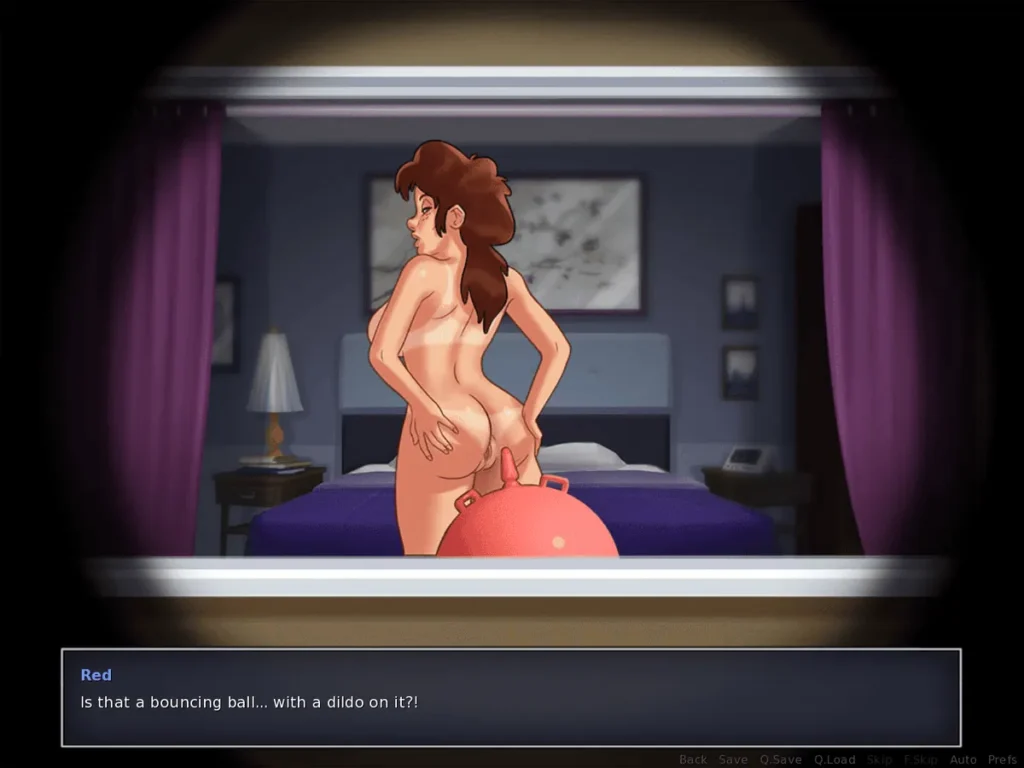
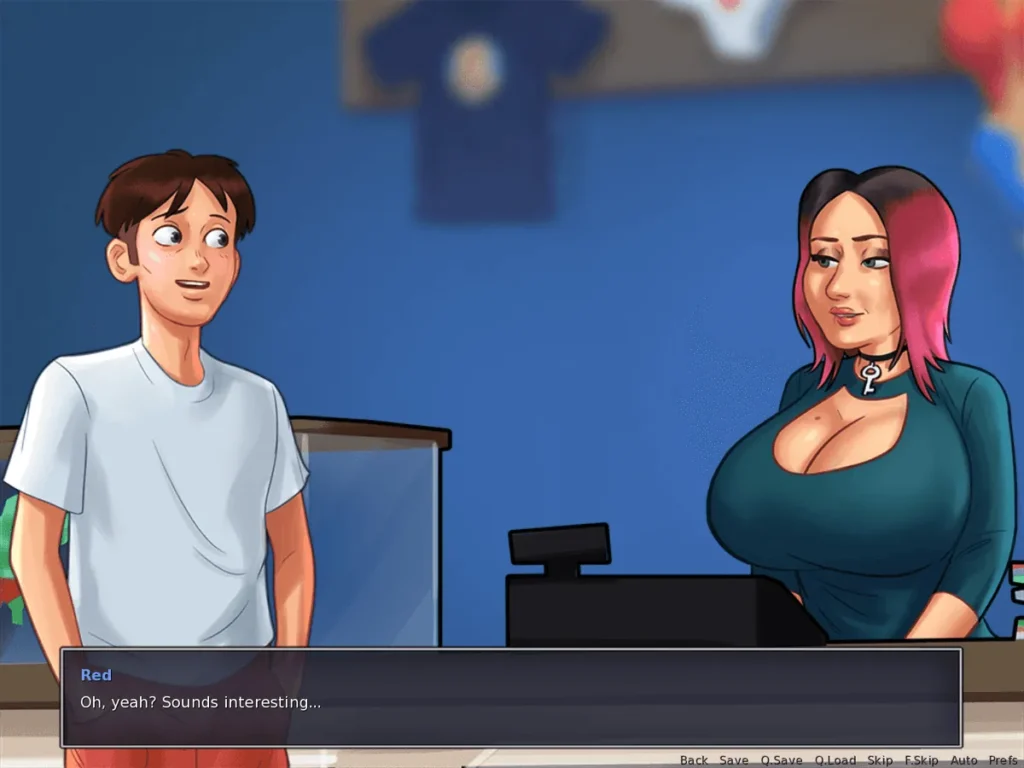
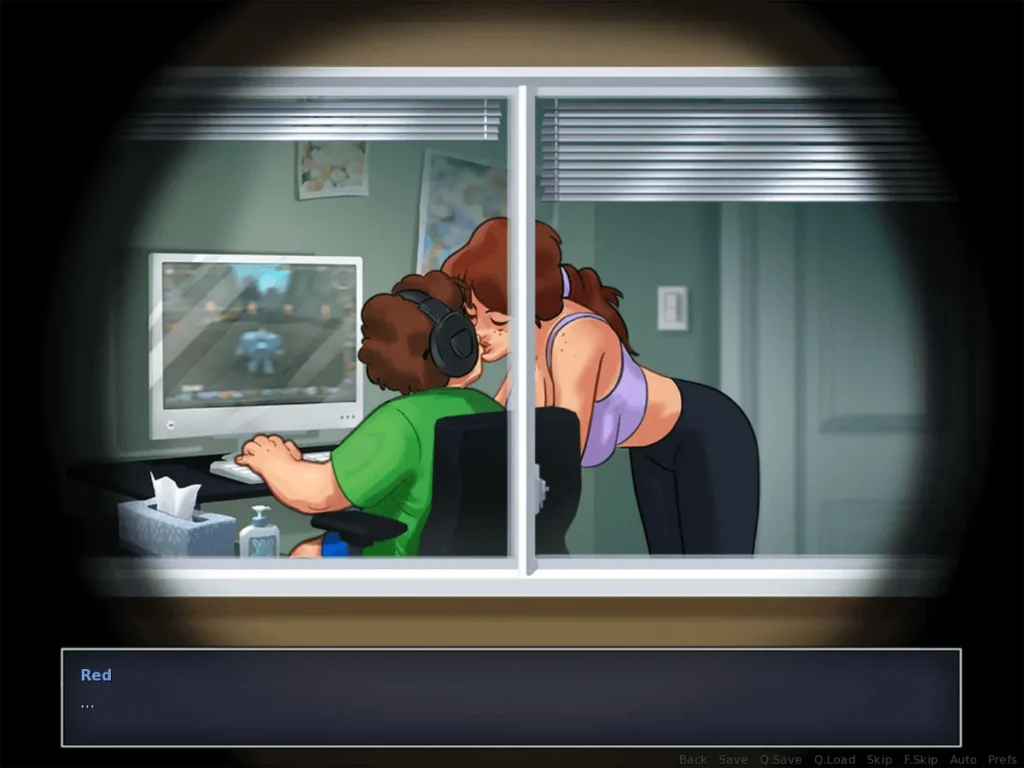
Walk into any digital room discussing adult games, and Summertime Saga stands out immediately. In a landscape often dominated by 3D models or anime-style art, Kompas Productions went in a completely different direction: a distinctive, hand-drawn cartoonish style. This isn’t an accident; it’s a core part of the indie dating sim development philosophy. ✍️
The art is colorful, expressive, and full of personality. Each of the Summertime Saga characters is instantly recognizable, with exaggerated features and animations that sell their emotions—from Eve’s goth eye-rolls to Mrs. Johnson’s cheerful warmth. This approachable, almost comic-book style does something crucial: it makes the world of Summerville feel cohesive, charming, and immersive. It lowers the barrier to entry, making the more adult themes feel part of a larger, character-driven comedy-drama rather than the sole focus. The visual charm is a huge part of why the game has broken out of niche forums into broader internet fame.
This commitment to a unique vision is baked into the development process. The team’s dedication is evident in their ongoing work to refactor and rewrite the game’s code. Why? Because as they’ve added more content—more characters, locations, mini-games, and story branches—the old foundation began to creak. These rewrites aim to squash bugs, improve performance, and create a stable base for future updates. For players, this means the Summertime Saga gameplay experience is constantly being polished and improved, a rare treat in any gaming space.
The philosophy is clear: build a deep, engaging world first. The Summerville sandbox game is about the stories, the humor, the mystery, and the relationships. The hand-drawn art and meticulous, player-supported development are all in service of making that world as compelling as possible. It’s a game that asks you to live in it, not just click through it.
| Feature | Summertime Saga | Typical Adult Game Counterpart |
|---|---|---|
| Visual Style | Unique, hand-drawn cartoon aesthetic | Often uses generic 3D models or anime art |
| Core Gameplay | Blends point-and-click adventure with dating sim mechanics in a sandbox | Often linear visual novel or simple repetitive tasks |
| Character Depth | 65+ characters with multi-stage story routes | Smaller casts with less developed backstories |
| World Scope | 30+ explorable locations in a cohesive town | Limited, often menu-based location selection |
| Additional Content | 20+ varied mini-games (cooking, fishing, puzzles) | Few or no interactive mini-games |
| Development Model | Free-to-play, fan-funded via Patreon (Indie) | Often premium purchase or mobile microtransactions |
Mastering how to play Summertime Saga is about embracing its hybrid nature. It’s a game where you can spend one day solving a pirate mystery for a classmate and the next day trying to beat your rival at a baking mini-game. It’s about learning the rhythms of Summerville, remembering that Debbie needs help with groceries on Thursday evenings, and that the library has a skill book you haven’t read yet. The Summertime Saga gameplay loop of explore, interact, improve, and uncover is incredibly moreish.
Whether you’re here for the engaging dating simulation game mechanics, the intrigue of the main plot, or just to see all the lovingly crafted Summertime Saga characters, the journey is yours to shape. So dive into that Summerville sandbox game, click around, talk to everyone, and don’t be afraid to save often! The charm of this point-and-click adventure game lies in its details, and its legacy as a fan-driven indie dating sim development project is a blueprint for how to build a world players genuinely want to be a part of. Now get out there and start your saga! 🌅
Summertime Saga represents a distinctive entry in the adult gaming landscape, combining engaging narrative design with accessible gameplay mechanics that appeal to players seeking more than surface-level content. From its hand-drawn visual style to its intricate character relationships and mystery-driven main storyline, the game offers a substantial experience that continues to evolve through regular updates. Whether you’re interested in exploring the various romantic routes, mastering the mini-games for financial progression, or uncovering the truth behind your character’s father’s death, Summertime Saga provides multiple avenues for engagement. The game’s community-driven development through Patreon ensures that player feedback directly influences future content, making it a living project that adapts to its audience. If you’re considering diving into this indie title, start by downloading the free version, experiment with different gameplay approaches, and consider supporting the developers if you find the experience worthwhile. The combination of free accessibility and optional community support makes Summertime Saga an excellent choice for players looking for a narrative-rich, character-focused gaming experience.